

Bar culture · Practical guide
What ice does before the first sip
How temperature, dilution and texture change when you shake a cocktail, stir it or build it straight in the glass.
Take two portions of the same cocktail. Pour the first straight into a glass. Stir the second with ice and strain it. Even with identical measures, they taste different: the second is colder and contains water from the melting ice.
Ice plays different roles. In a Manhattan it chills the mixture in a separate glass and stays behind the strainer. In a Daiquiri it meets rum, lime and sugar in the shaker. In a Spritz it stays in the wine glass while you drink. Understanding those three methods helps you serve each cocktail at its intended temperature.
Chilling and dilution go together
Warm liquid gives up heat to ice. The ice absorbs that heat and melts. If it starts below its melting point, it also warms up first. Meltwater stays in the drink even after straining. The finished cocktail contains the ingredients you measured and the water added during mixing. That water can soften the sensation of alcohol and bring some flavours forward while making others less pronounced. Different drinks and ways of serving them call for different amounts of dilution. In his early experiments, Dave Arnold measured temperature and dilution and explicitly set texture aside. He later compared how shaken and stirred drinks felt and rejected the idea of a single correct dilution percentage for every cocktail. Temperature and dilution experiment, later comparison of serving methods.
Ice from a home freezer deserves a qualification. It may start below its melting point, so it can absorb some heat as it warms, before appreciable melting begins. Arnold conditioned his bar ice close to 0 °C. Under those conditions he connected most of the chilling to melting and dilution. Ice straight from a freezer can behave differently. Experimental conditions.
Does small ice spoil a cocktail? Will a single large cube always rescue it? Size, surface moisture, starting temperature, mass and the movement of the liquid all matter. In Arnold's controlled comparison, two types of ice produced similar temperatures and dilution when used in sufficient quantity and shaken. He also noted that very wet crushed ice can bring extra water into the shaker on its surface. The result describes the conditions he tested. Original experiment, further explanation.
For a useful comparison at home, use enough food-safe ice, drain away surface water and leave the puddle in the ice bucket. Taste the drink. To repeat the test tomorrow, match the quantity and temperature of the ingredients and the mass and condition of the ice. Changing one thing at a time makes differences in flavour easier to interpret.
Why stirring and shaking feel different
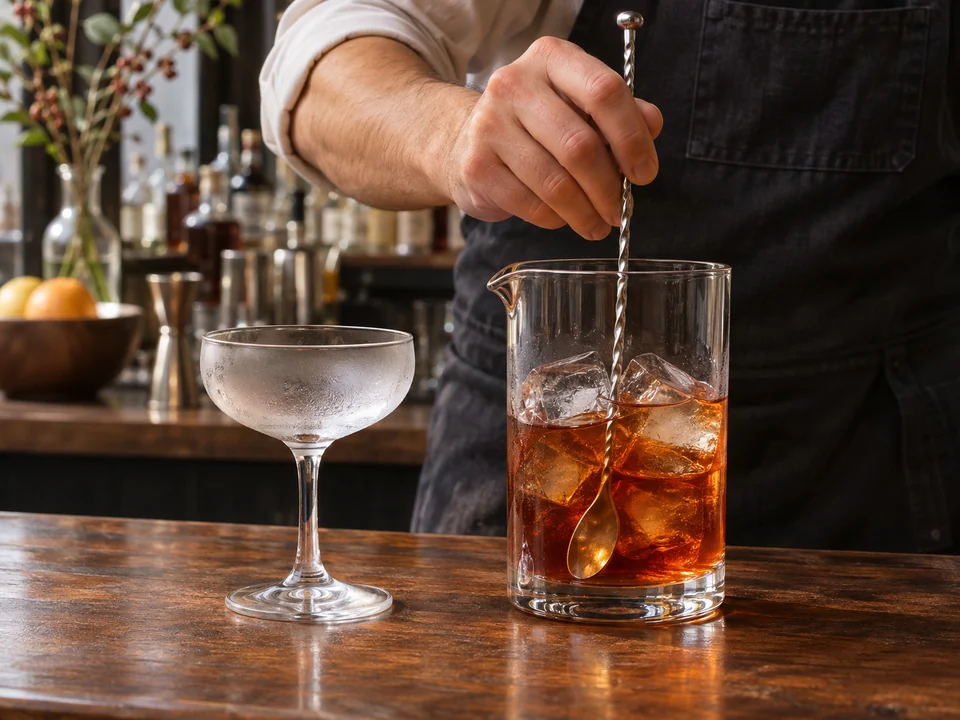
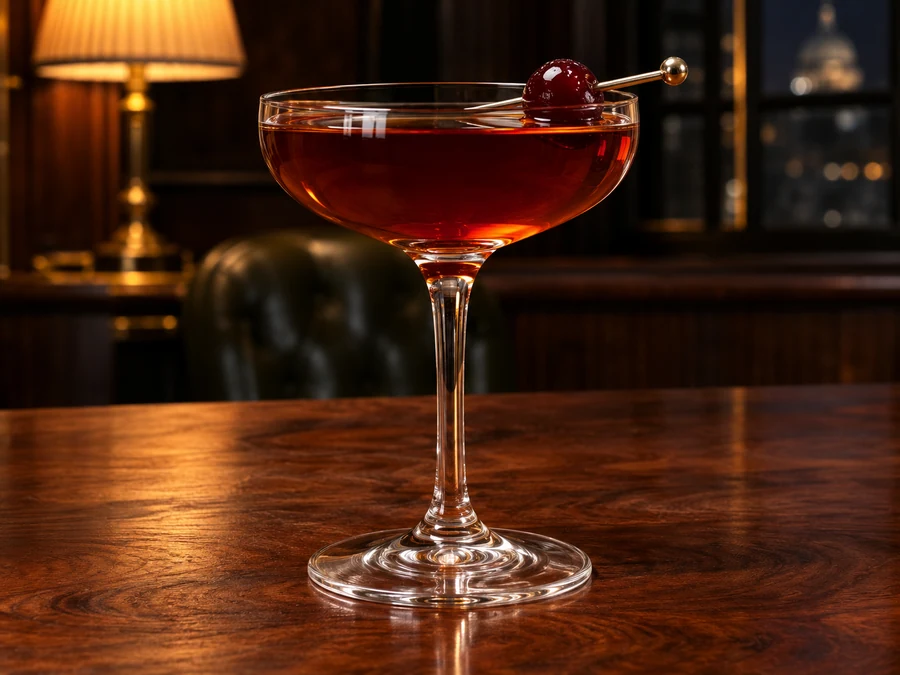
A bar spoon guides the cubes and liquid around a mixing glass. Stirring chills and combines the ingredients while keeping the drink relatively clear. The IBA recipe for a Manhattan calls for stirring whiskey, sweet vermouth and bitters with ice, then straining into a chilled glass. The Atlas recipe follows the same principle. Look for an even surface and a clear, deep amber colour.
When you shake a drink, liquid moves between the ice and the walls of the tin and picks up tiny air bubbles. Photographs in Physics World show two Manhattans side by side. The shaken one looks cloudier and has foam on the surface. You can feel the difference on the first sip.
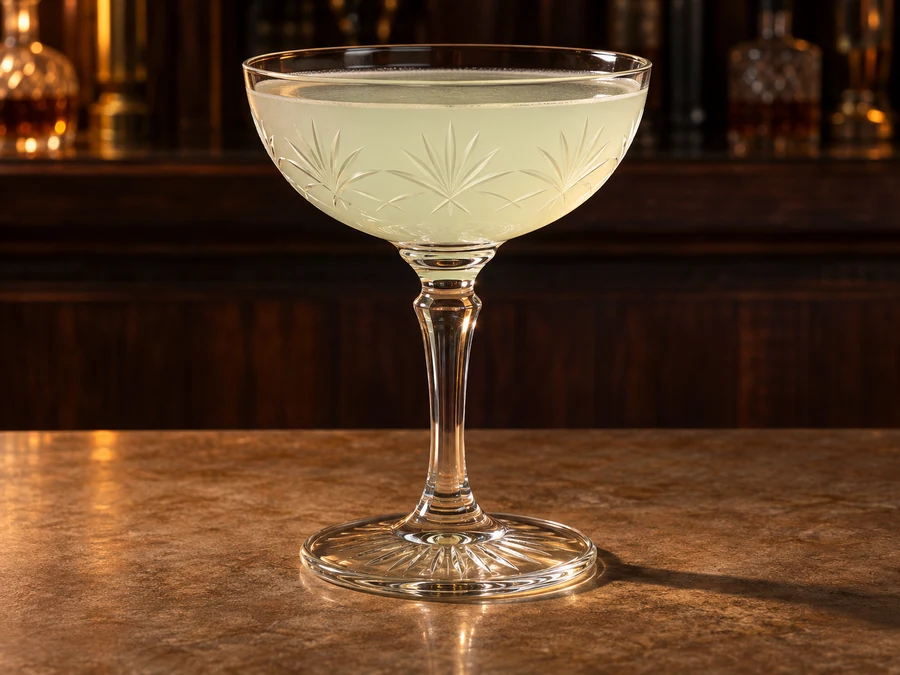
A shaker is often well suited to a sour made with juice. In the IBA Daiquiri the sugar is dissolved before ice is added. The mixture is then shaken and strained. Dissolving the sugar first keeps grainy crystals out of the finished drink. The IBA Whiskey Sour also uses a shaker. When including egg white, the recipe calls for more vigorous shaking to produce foam. These examples show why a recipe specifies a technique alongside its ingredients. For other drinks with juice, start with the individual recipe and the texture it calls for.
Timing only makes sense in context. A large shaker filled with drained ice and cold ingredients behaves differently from a small one with wet cubes and warm juice. Counting strokes can make those differences easy to miss. Start with the stated method, strain and taste. Is the drink cold enough? Can you still taste the ingredients clearly? What does the surface look like? Change one variable at a time.
Ice keeps working in the glass
The drink continues to change after mixing. A warm glass warms cold liquid, and ice left in the glass keeps exchanging heat with it. The official recipe for a Manhattan specifies a chilled cocktail glass. Chill the glass in the refrigerator beforehand, or briefly fill it with ice and water. If you use the second method at home, drain it completely before serving.
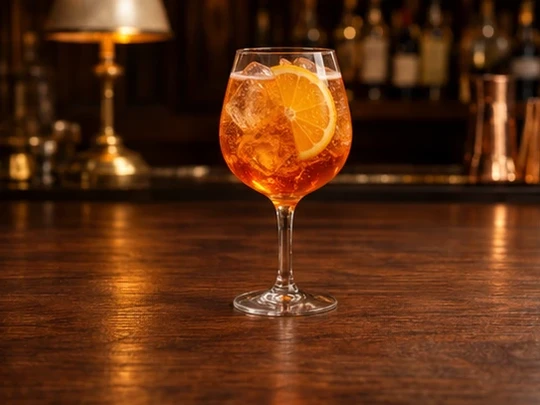
A Spritz follows a different sequence. IBA calls for building it in a wine glass already filled with ice, then stirring gently. The ice stays with the drink. A gentle stir also helps retain carbonation, a practical inference from the method rather than a measurement reported by the IBA. Serve immediately.
Compare the two drinks in the illustrations. The Manhattan has been strained, so there is no ice in the serving glass. The ice stays in the Spritz until the last sip. When you make either drink at home, check where the recipe leaves the ice.
A home experiment with one mixture and two methods
Try this without alcohol or special bar equipment. You need two identical, sturdy food-safe containers with lids, two glasses, a spoon and a kitchen strainer. You can observe differences between the two methods under your own conditions.
- Make one batch of clear, unsweetened tea and cool it. Measure 100 ml into each of the two containers. Both portions should have the same flavour and starting temperature. Set out two identical glasses and roughly equal amounts of ice from the same tray. If you have kitchen scales, weigh out equal portions.
- Add the ice to both containers. Seal one and shake it for 15 seconds, and stir the other portion with a spoon for 15 seconds. Two people can do this side by side. If working alone, do each in turn with the tea and ice at the same starting temperature. Fifteen seconds gives you one shared condition for this experiment.
- Strain both portions into the prepared glasses immediately. Look at the clarity and the bubbles on the surface. If you have a clean food thermometer, measure each portion just after straining, keeping the tip clear of the glass. Record the readings and the time.
- Sip each portion, then try them again after two minutes. Has the temperature, aroma or surface changed? If there is a difference, repeat the experiment with the glasses swapped and fresh, matching portions of ice. Repetition helps show whether the difference is consistent.
Subtracting the weight of the strained drink from the weight of the starting liquid will not give the exact water content. Some drink clings to the ice, container and strainer. Arnold accounted for these losses separately in his experiments. Method and measurement limits. If the glasses differ, this home experiment alone cannot separate the effects of temperature, dilution and air bubbles. Recording the conditions makes the comparison more informative.
Choosing a method for your recipe
Read the method, mixing vessel, use of ice and final serving instructions on the recipe card. With a Manhattan, the aim is a cold, clear drink served without ice cubes. For a Daiquiri, shake juice, sugar and rum with ice, then strain. A Spritzis built and served on ice. Each method produces a different result in the glass.
Think through the sequence. What should stay in the serving glass? How quickly should the ingredients chill? Should the texture be airy? How might the drink change during a conversation? The recipe provides the answers, and the ice helps you get there.
Sources and limits
The formulas and methods come from published IBA recipes. Observations about temperature and dilution come from Dave Arnold's experiments. Physics World illustrates the comparison between shaken and stirred Manhattans. The home experiment above lets you observe differences but cannot isolate the individual effects of water, temperature and air bubbles.
- IBA: Manhattan
- IBA: Daiquiri
- IBA: Spritz
- IBA: Whiskey Sour
- Dave Arnold on temperature and dilution
- Dave Arnold on wet and crushed ice
- Dave Arnold on texture and perception
- Physics World on cocktail physics
Reviewed by the editors on 15 November 2026. The drink illustrations were created for Cocktail Atlas. The original experiments are documented in the linked sources.