
Bar culture
Who remembered the order? Who was welcome through the door? How could one cup last a whole morning? Six essays about the people and places that gave drinks their meaning.
Browse the essaysEssays on bar life
People and craft
St. Louis · 1917
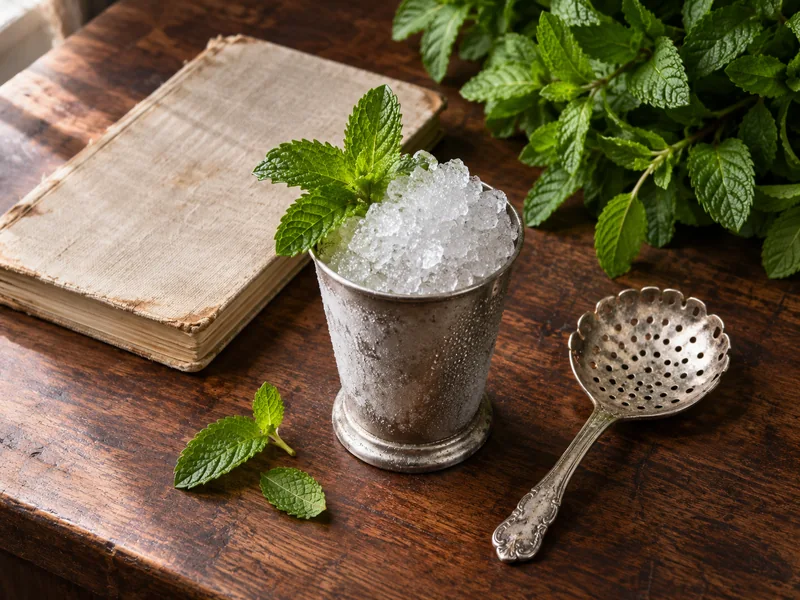
Tom Bullock’s two juleps
Why Bullock guarded the mint in one julep and left it entirely out of the other.
Santiago de Cuba · since the 19th century
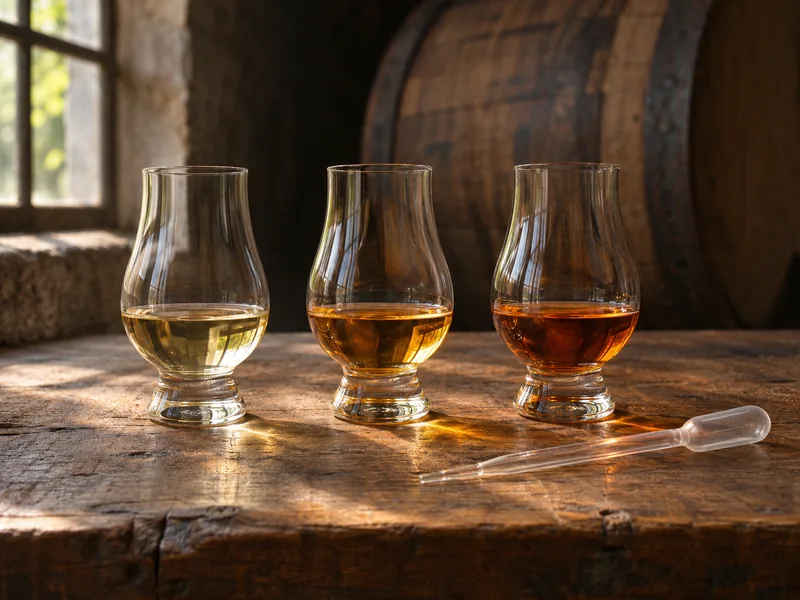
What a Cuban rum master learns in the cellar
What a master knows about each barrel that no bottle label can tell you.
Bars and the city
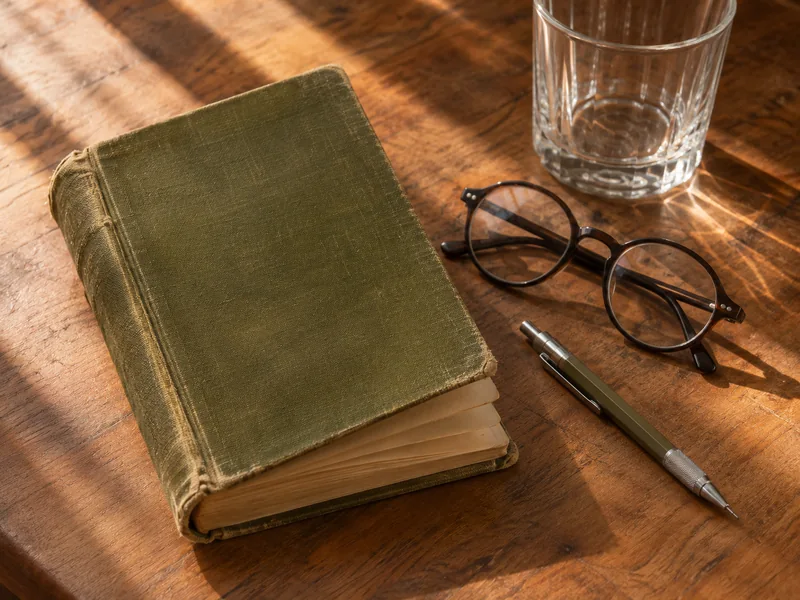
New Orleans · 20th century
An address in the Green Book
Behind a New Orleans club listing: a family kitchen and jam sessions that ran till dawn.
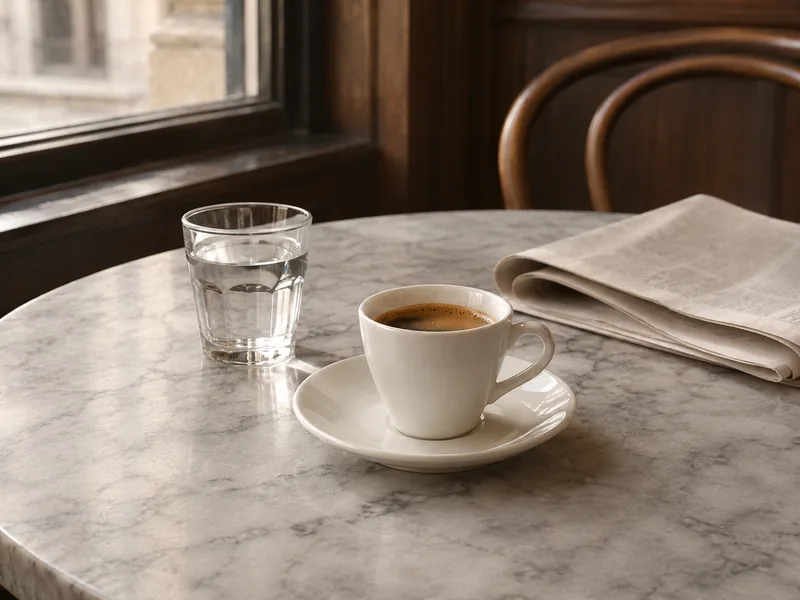
Vienna · 18th–20th centuries
Vienna: a table for the newspaper
A museum photograph, a newspaper reader and the freedom to stay after the coffee is gone.
The art of welcoming guests
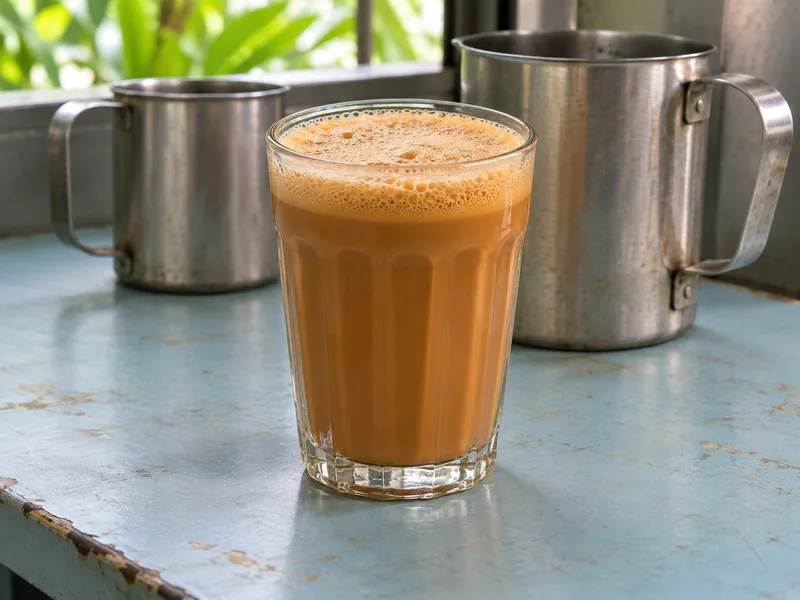
Singapore · street tea stalls
Singapore: tea between two mugs
A Waterloo Street tea stall through the eyes of a customer who remembered the pour.
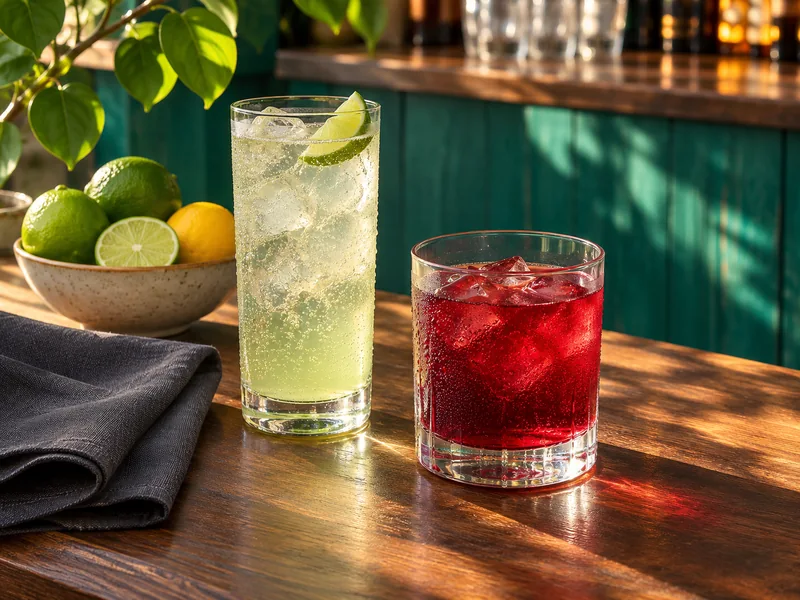
Liverpool · since 2011
Liverpool: a bar where no one has to explain an order
How a charity made an alcohol-free bar into a meeting place for a whole community.
Timeline and workshops
Explore the bar timeline
Archive
How bar culture took shape
Three objects offer a way into bar history. Guests served one another from a silver punch bowl at the center of the table. Ice wells in London show just how far ice once had to travel. Old bar books tell us what a bartender put in the glass and in what order.
New York, around 1750
One bowl for the table
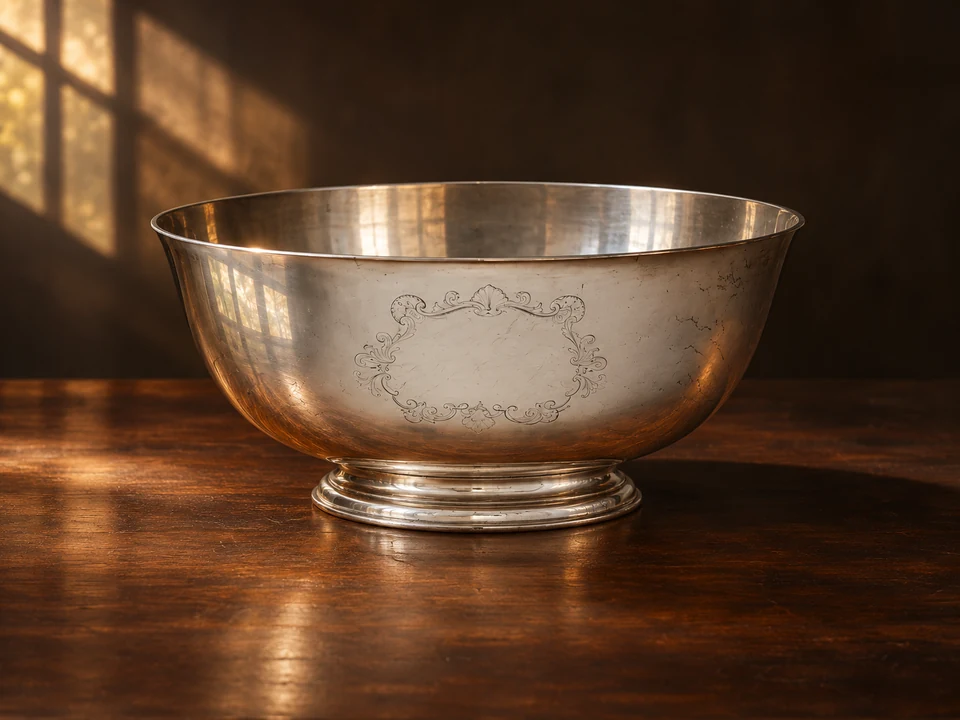
Punch came to the table in a shared bowl. The host mixed it before the guests arrived, and anyone at the table could ladle out another helping. The citrus, sugar and water had to be in balance for the whole company.
Look closely at the engraving on the silver. It tells us who received this particular bowl. John Roosevelt’s heirs gave it to Christopher Bancker, a New York merchant. His younger brother Adrian made it.
Even a bowl of punch served at home had a long journey to the table. Rum and sugar linked taverns on both sides of the Atlantic to Caribbean plantations where enslaved people laboured.
The Met on taverns and the rum trade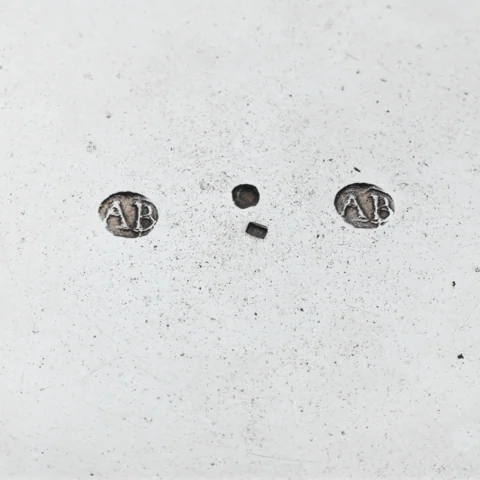
1857. How ice reached London
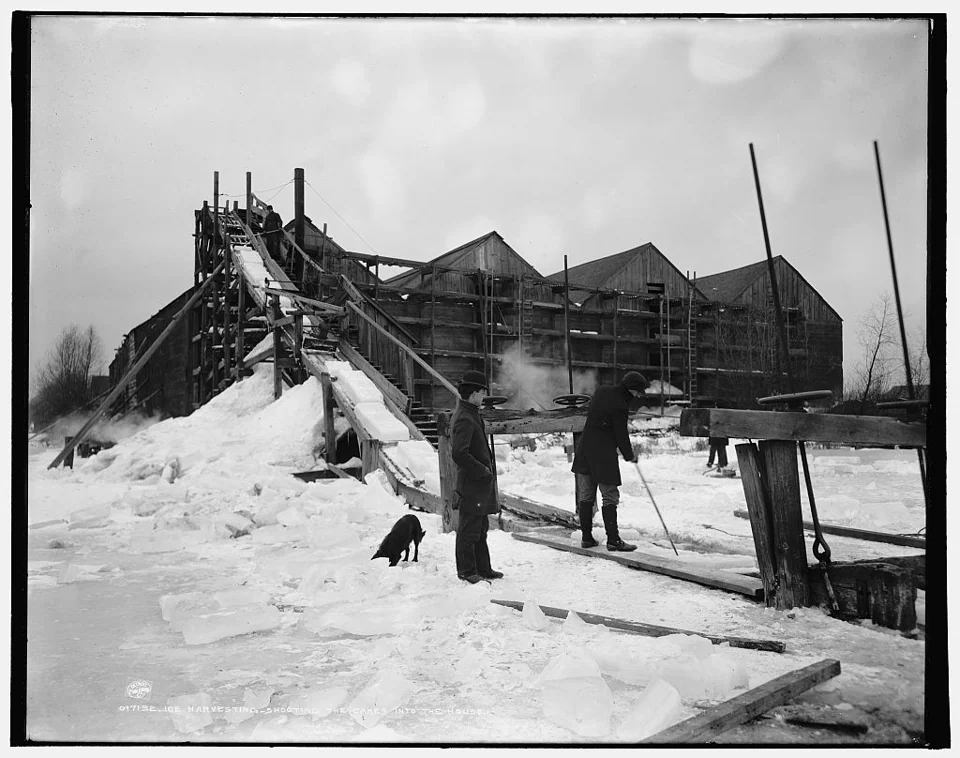
Before freezers, ice was cargo. In 1857 Carlo Gatti brought his first shipment from Norway to London, all 400 tons of it. Ice cut in winter crossed the sea and went into storage for the warmer months. Ice wells survive beneath what is now London Canal Museum. The museum believes one was probably dug to receive that shipment.
The cold supply served food merchants and ice-cream makers too. Now look at an ordinary mixing glass. As the ice melts, its water becomes an ingredient. Taste a small sample of a Manhattan before and after stirring with ice. Both the temperature and the impression of strength change. A few turns of a barspoon once depended on a journey across the sea.
1862. A recipe leaves the bar
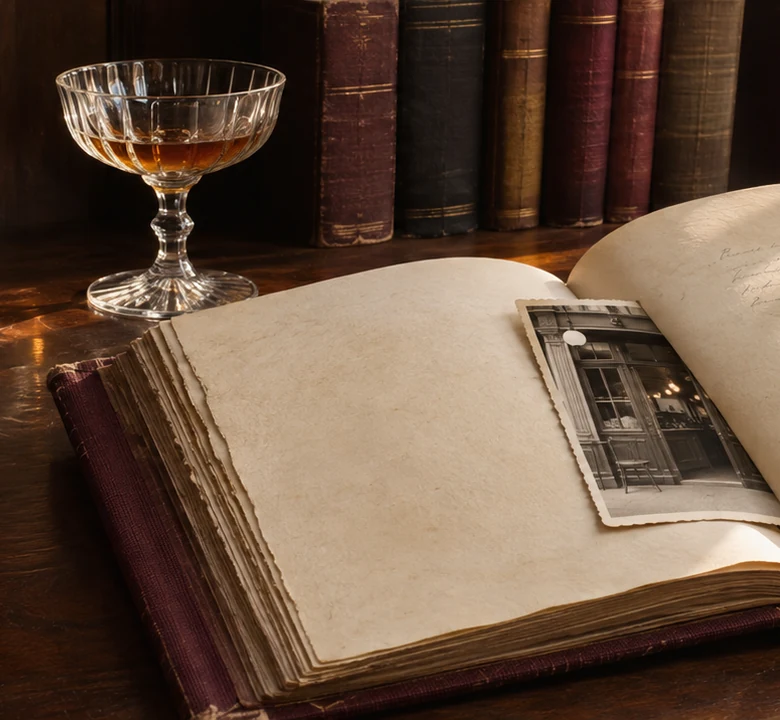
At the bar a teacher can show an apprentice how long a movement takes. On paper, the teacher has to find the words. Jerry Thomas published How to Mix Drinks in the United States in 1862. A reader could return to a recipe without ever having seen its author at work. Whole families of mixed drinks sat within a few pages of each other, ready to compare.
The Library of Congress also holds Harry Johnson’s 1882 manual, which offers practical guidance for a working bartender. An old bar book invites two questions. What goes in the glass? How do you organise the work so the guest receives it on time? Notice the verbs as you read. Chilling the glass, stirring and straining are three separate jobs, even when the ingredients fit on one line.
Milan. A place at the counter before dinner
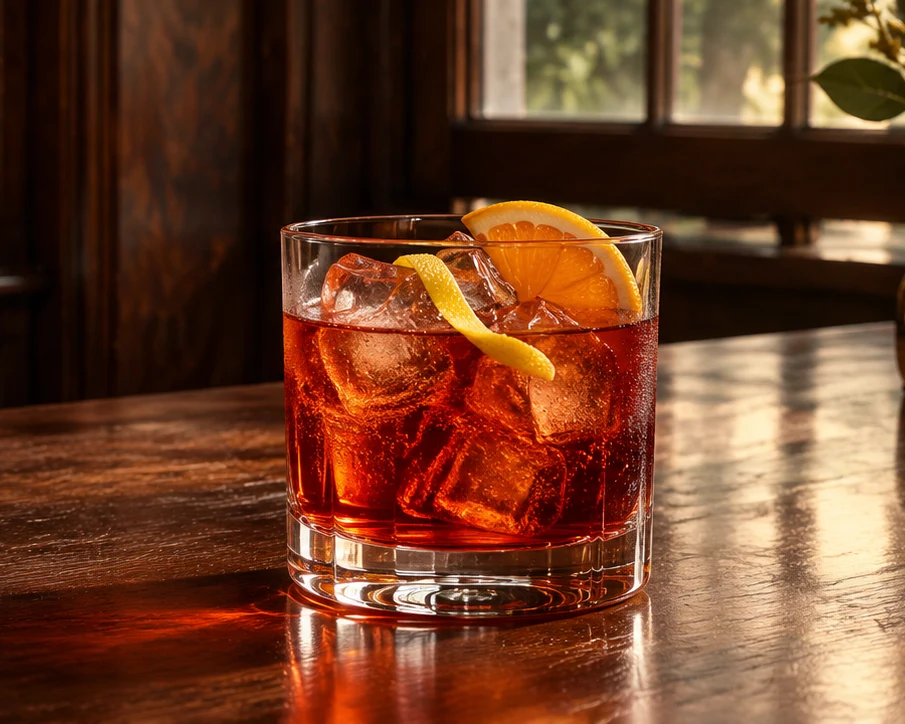
Milan’s aperitivo has an address you can visit. In 1867 Gaspare Campari ran a café in the Galleria Vittorio Emanuele II. In 1915 his son Davide opened Camparino in the same arcade. The family archive traces both establishments. Together they offer a glimpse of how meeting on the way to dinner became part of the city’s routine.
Read the Americano recipe with that setting in mind. Vermouth and bitters bring sweetness, herbal aromas and a bitter edge. Soda changes the body. A generous pour of cold soda feels different from a brief top-up. When mixing at home, consider what you would like to sip alongside a small plate a few minutes before dinner.
1920–1933. What Prohibition changed
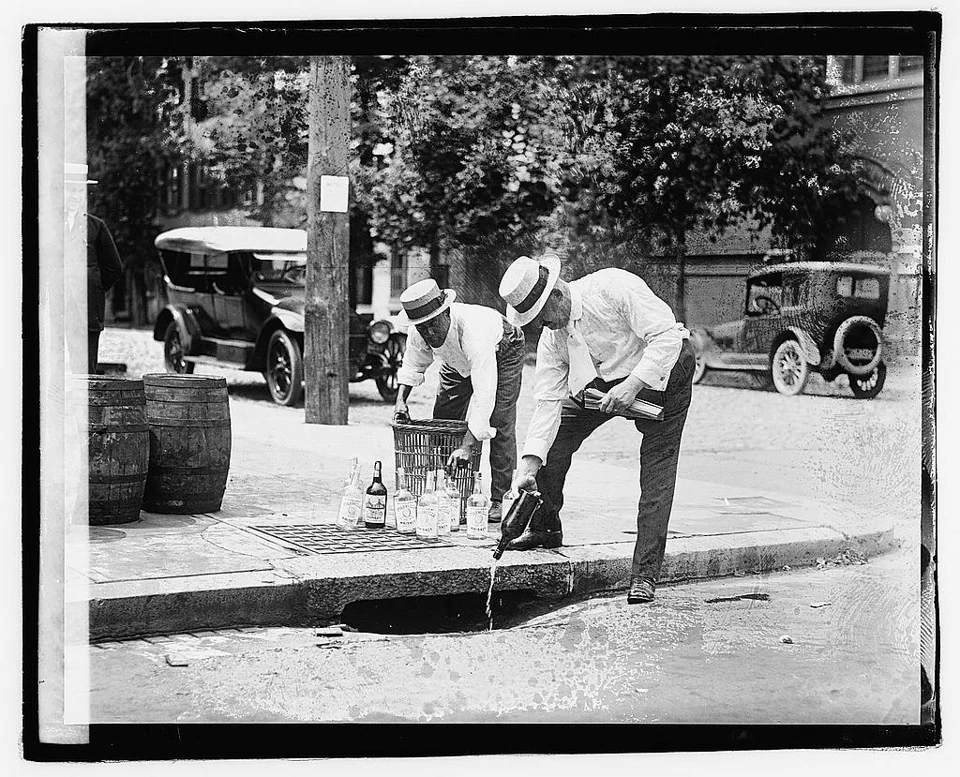
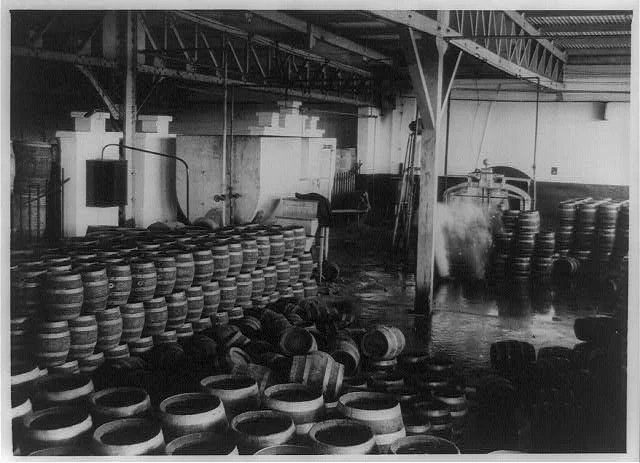
The Eighteenth Amendment to the US Constitution listed the manufacture, sale and transport of intoxicating liquor for beverage purposes, as well as import and export. Drinking itself was absent from that list. For a working bar the distinction mattered. The amendment struck at the ability to run the business openly, buy its supplies and sell a drink to a guest.
In 1933 the Twenty-first Amendment repealed the Eighteenth while retaining a role for individual states in regulating imports. Those dates also help with bar lore. Thomas’s book appeared nearly six decades before Prohibition began. When a story credits the ban with the invention of an old drink, first ask whether the recipe was already in print.
London. A drink made for a regular
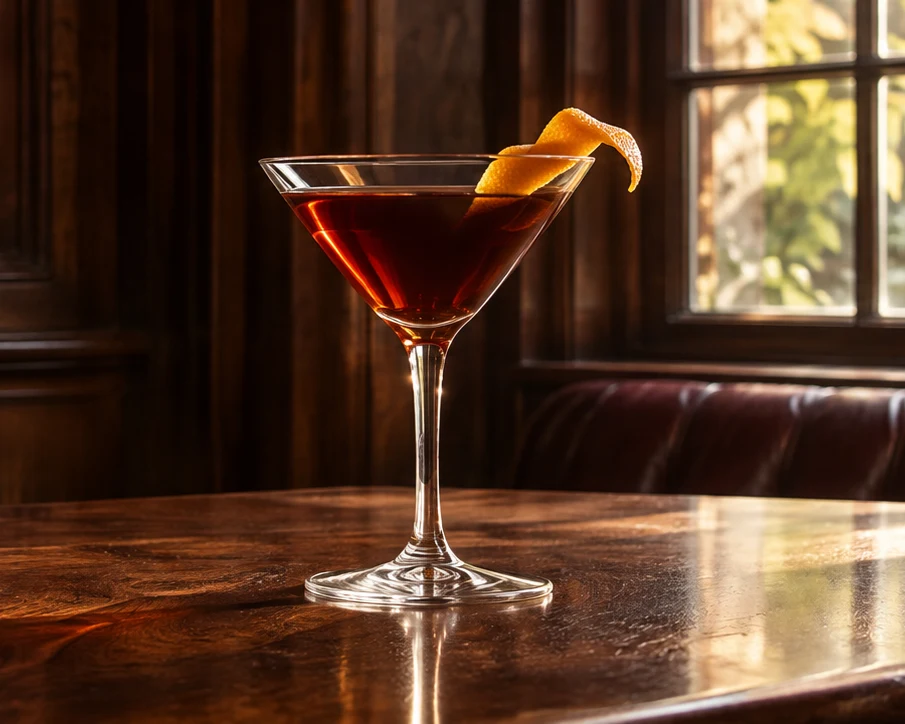
Ada Coleman learnt to mix drinks at Claridge’s in London and went on to run the American Bar at the Savoy. One of her regulars, actor Charles Hawtrey, asked for a drink with some punch. The result was the Hanky Panky. Few cocktail stories preserve quite so clearly who the drink was meant for and what that person wanted.
Page 80 of the 1930 Savoy Cocktail Book specifies equal parts gin and Italian vermouth with two dashes of Fernet. Orange peel finishes the drink. Read that short entry beside the hotel’s account and you can see two sides of the job. One bartender listened to a guest. Another recorded enough detail for someone who had never met him to make his order.
Japan and the international bar school
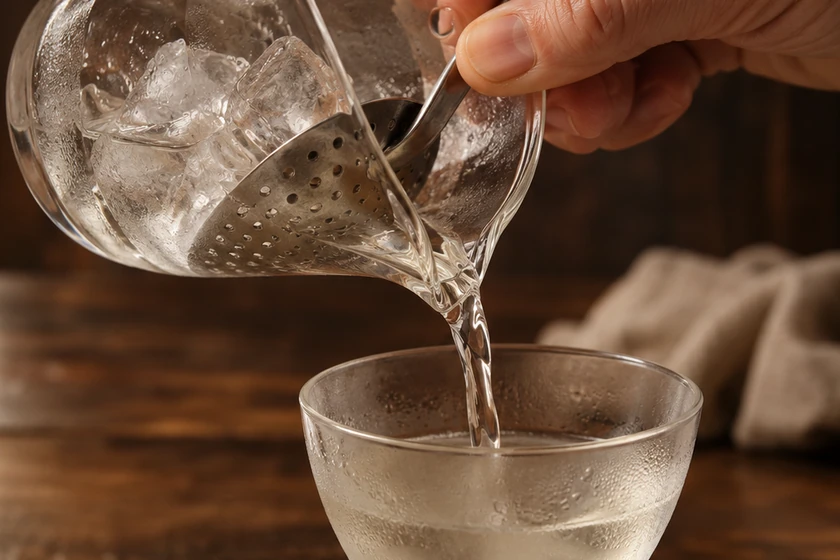
Japan’s professional bartenders’ association dates to 1929. It describes its aims as developing drinks culture and refining the skills of its members. That gives us another way into the history of the profession. Beyond the famous bars there were colleagues to watch a technique, compare the results and ask why a bartender had chosen it.
In Paris in 1960, Angelo Zola proposed that the International Bartenders Association codify a selection of popular drinks. The following year its first list of fifty cocktails was approved in Norway. You can try the underlying idea at home. Make a drink to a published formula, change one measure in a second serving and note the difference. Two people now have something precise to discuss.
Explore mixing and serving techniques
Behind the bar
Technique and service
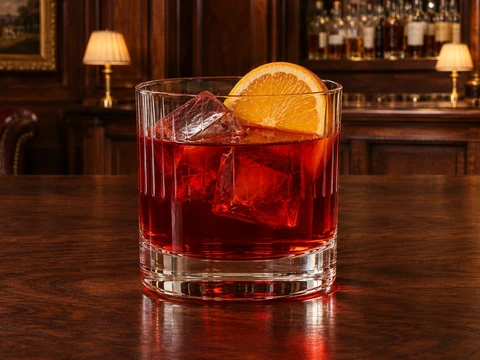
Build in the glass
Measure equal parts gin, red vermouth and Campari. Stir them in a rocks glass filled with ice and garnish with half an orange slice. Taste the Negroni now and again a couple of minutes later. How has the bitterness changed as the ice melts?
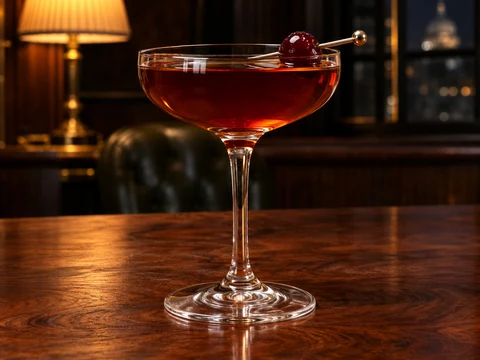
Stir, then strain
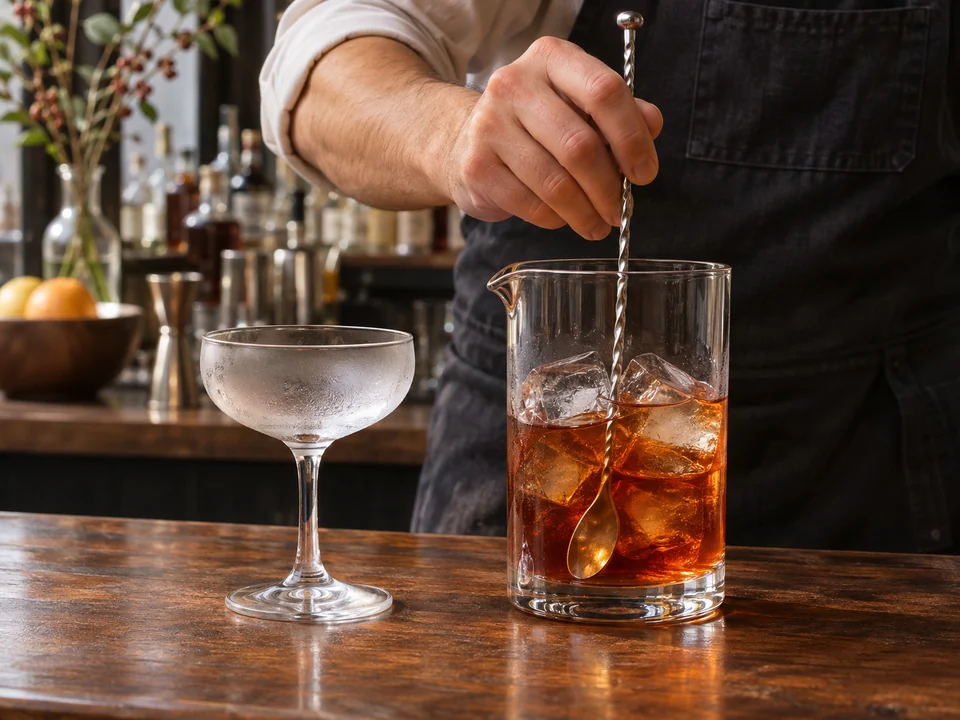
Pour the whiskey, sweet vermouth and bitters into a mixing glass. Add ice and guide the spoon along the inside wall so the cubes turn together. Strain the Manhattan into a chilled cocktail glass, leaving the ice behind.
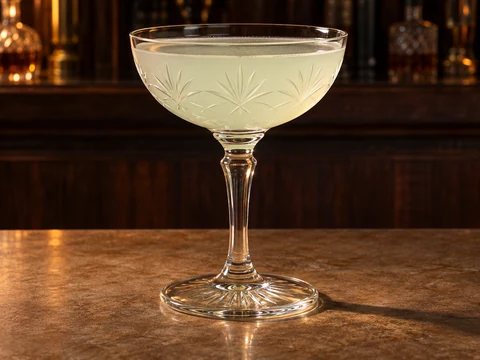
Shake with ice
Combine white rum, fresh lime juice and fine sugar in the shaker. Stir until the sugar dissolves, then add ice. Close the shaker, shake the Daiquiri and strain it into a chilled glass. Check the bottom of the glass for any undissolved grains.
Helping a guest choose a drink
Ask what the guest enjoys. Something tart, or a softer flavor? Would they like alcohol in the drink? Offer water while they decide. Give an alcohol-free choice the same care when choosing a glass, chilling the drink and adding the garnish.
For someone who likes a dry citrus drink, try a Lime Rickey. Chill the soda water beforehand, add it last and give the drink one gentle stir. Serve while the bubbles are still rising.
In depth · Practical guide
What ice does before the first sip
Why stir a Manhattan, shake a Daiquiri and build a Spritz in the glass? Explore temperature, dilution and texture with a simple experiment at home.
Read the article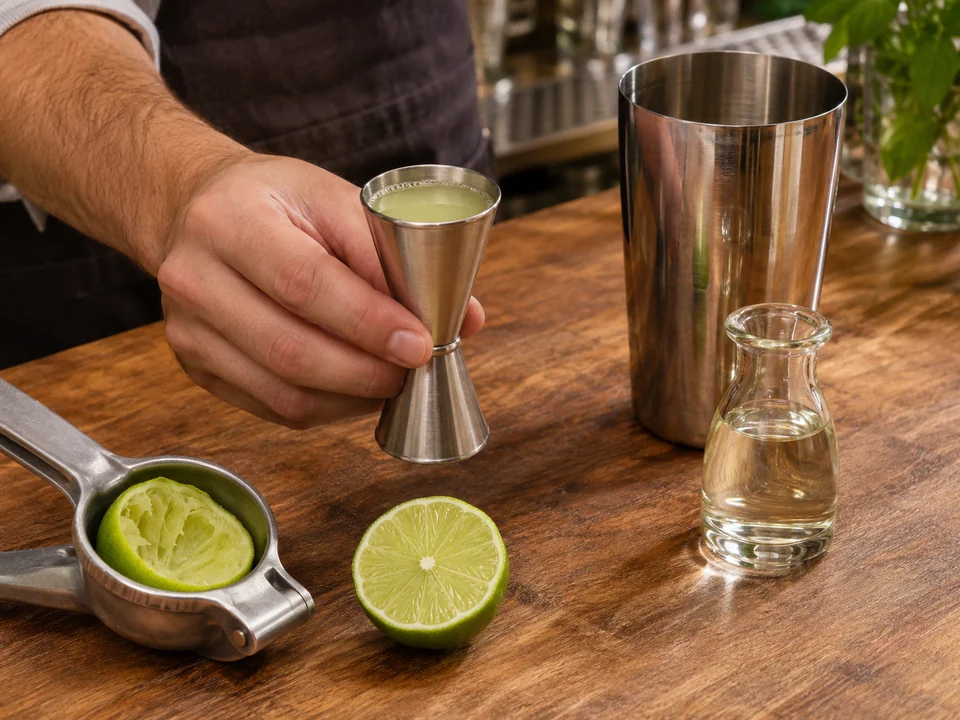
In depth · Flavour
Finding the balance between sweet and sour
Why do the Daiquiri, Whiskey Sour and Margarita call for different proportions? Explore four published recipes, learn how to adjust them and try a three-glass tasting at home.
Read the article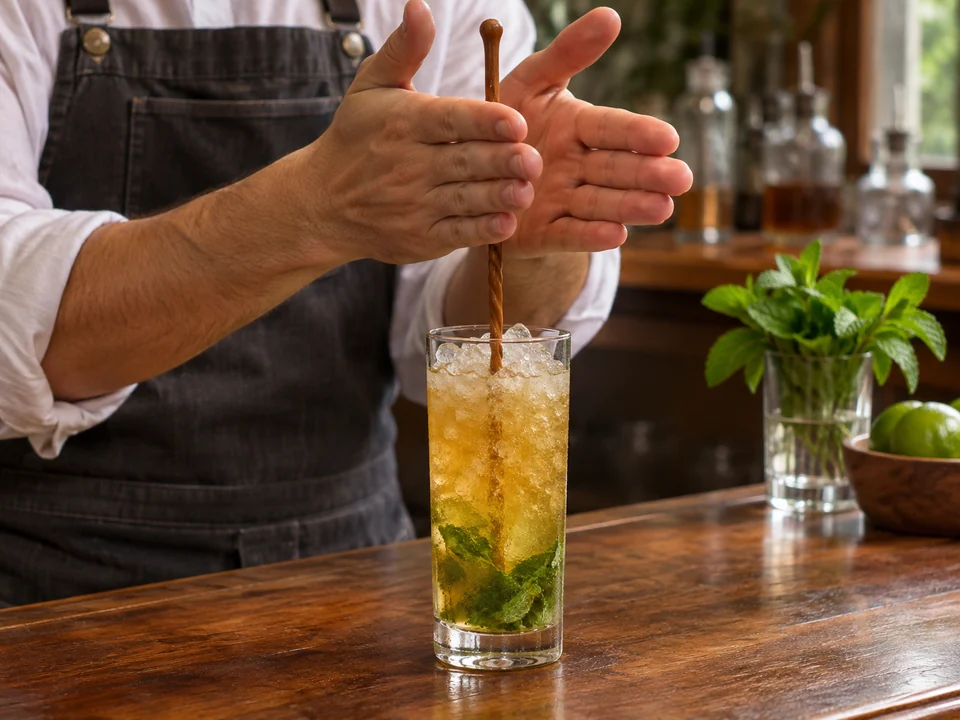
How to swizzle a drink in its glass
Practise the movement with crushed ice, then find out when the bitters go into a Queen’s Park Swizzle.
Read about swizzlingExplore the coffee school
Coffee workshop
Coffee behind the bar
Whisk instant coffee with water for a cold frappé. Pull a short espresso to pour over tonic. For Irish coffee, start with hot black coffee. Pick the drink you would like to try first.
To make espresso, hot water is forced through ground coffee under pressure. A lungo sends more water through the same dose. Filter coffee works for recipes that call for hot black coffee. For the foam in a Greek frappé, use instant coffee.
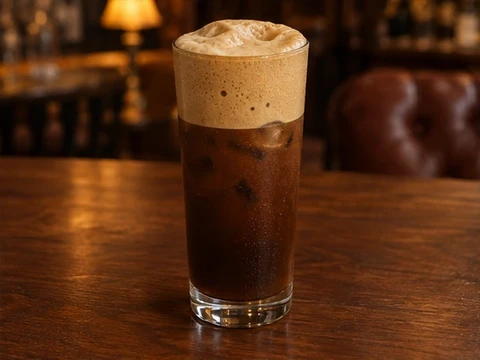
Make a frappé without an espresso machine
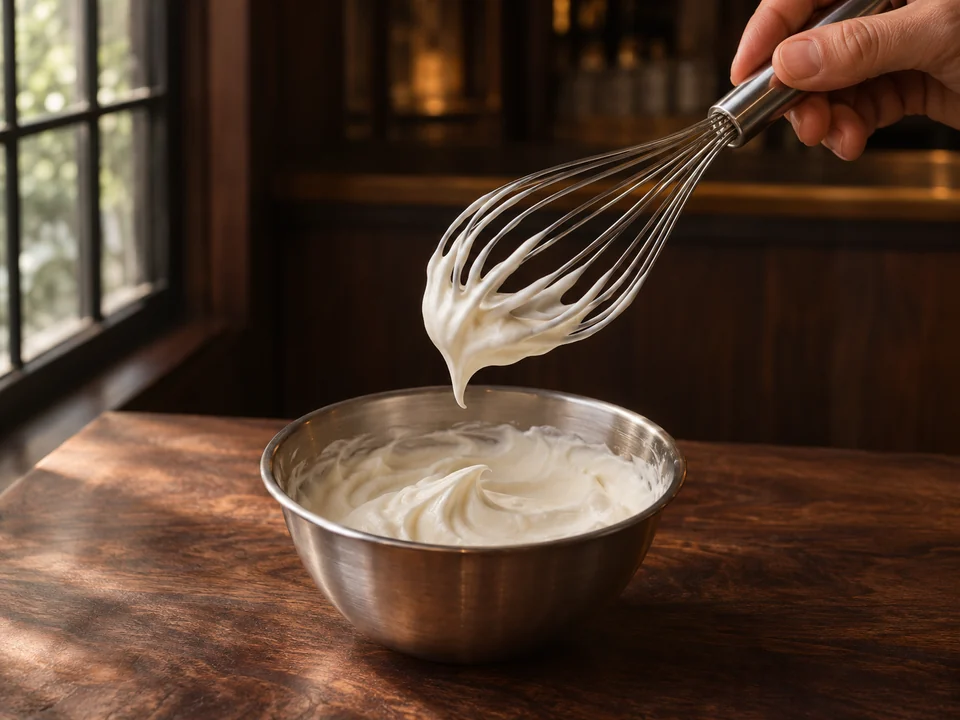
For a first try, use a tall glass, a teaspoon and a handheld frother. Add two teaspoons each of instant coffee and sugar, then 30 ml cold water. Whisk until the foam is thick and pale. It is easier to whip this small amount before filling the glass.
Slip three ice cubes into the foam and pour 220 ml cold water down the side of the glass. This makes a moderately sweet Greek frappé, or metrios. For comparison, try the unsweetened version, sketos, next time with the same amount of coffee.
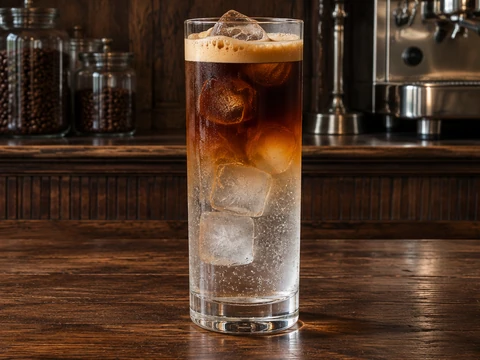
Espresso tonic and mazagran
Both the coffee and the tonic bring bitterness to an espresso tonic. Fill a tall glass with ice and add 90 ml chilled alcohol-free tonic water. Let the bubbles settle, then pour 40 ml espresso slowly over the top cube. Pause if the foam rises close to the rim.
Fresh lemon gives a mazagran its citrus flavor. For the Atlas recipe, measure 110 ml lungo and 20 ml each of cane syrup, water and lemon juice. Pour in the syrup, add the lemon juice mixed with water, then add ice and coffee. Serve with a spoon so the guest can stir the layers together.
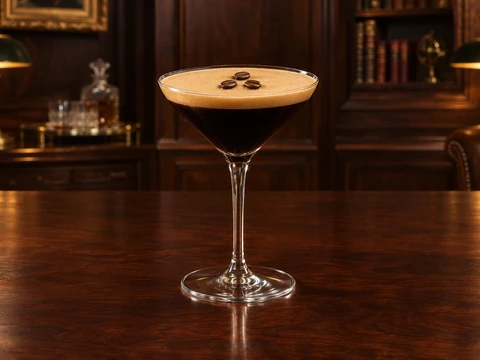
Brewed coffee and coffee liqueur
An Espresso Martini contains both freshly brewed espresso and coffee liqueur. Espresso contributes the aroma of ground coffee. The liqueur adds sweetness and alcohol. Replacing it with the same amount of espresso makes a less sweet, less alcoholic drink.
Shake the espresso, vodka, coffee liqueur and syrup with ice. Strain straight into a chilled stemmed glass. A thin layer of foam forms on top. A Black Russian needs no brewed coffee: stir vodka and coffee liqueur with ice. Add cream for a White Russian.
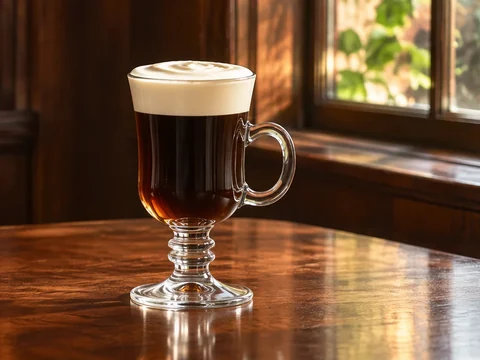
Hot coffee with a cool cream layer
Warm a heatproof glass, then pour in 120 ml hot black coffee and 50 ml Irish whiskey. Stir in the sugar until dissolved. Leave room for 50 ml chilled cream. The cream should still pour easily from a spoon.
Hold a spoon just above the coffee with its rounded back facing up. Pour a thin stream of cream over the spoon, raising it slightly as the layer rises. Serve straight away so the guest can sip the hot coffee through the cool cream.
Three coffee experiments
Dial in the grind for your beans
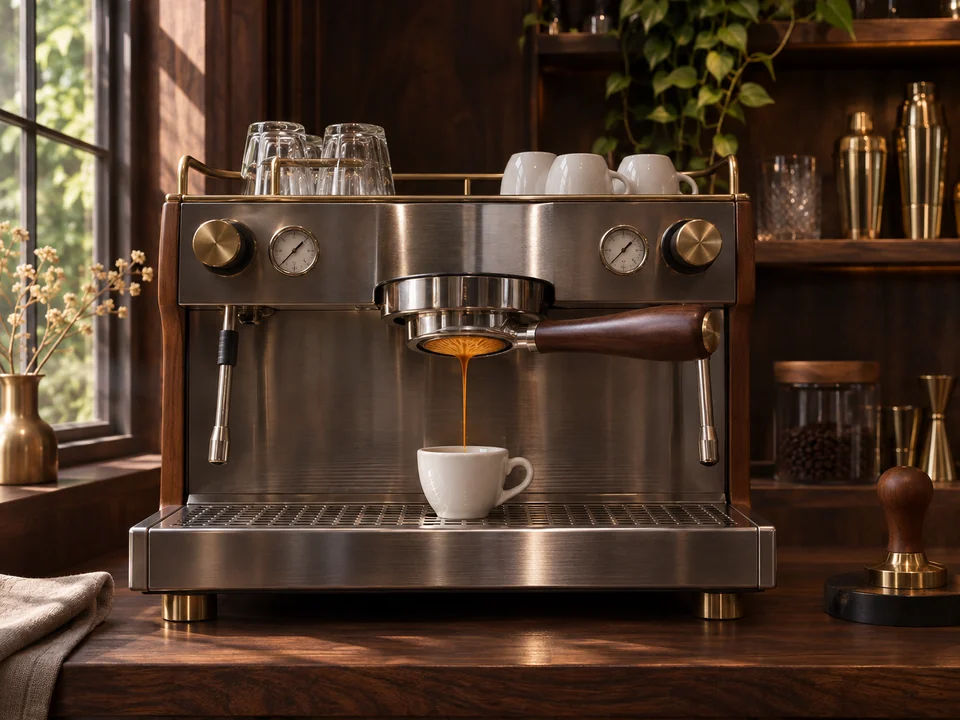
Weigh the ground coffee. Place the empty cup on the scale, tare it and pull the shot into the cup. If 17 g of coffee yields 34 g of espresso, the brew ratio is 1:2. Note the shot time, then taste once the espresso has cooled a little.
For the second shot, keep the beans, dose and target yield the same. Change the grind by one setting. Compare shot time, acidity, bitterness and body. If the shot runs faster than usual and tastes thin, try grinding finer. Taste it first on its own and then with the same measure of tonic.
Balance the lemon and the coffee
Split the base for one mazagran evenly between two glasses. Add 10 ml syrup to one and 5 ml to the other. Keep the lemon juice, water, coffee and ice the same. Stir and taste both. In which glass is the coffee aroma easier to pick out? Taste again after two minutes and note how the melting ice has changed the drinks.
Test how the cream forms a layer
Split the Irish coffee base between two small warmed glasses. Measure equal amounts of cold cream. Pour the first portion in a thin stream directly into the coffee. For the second, pour it over the back of a spoon just above the surface. Compare the layers and how warm the first sip feels.