

Bar culture · Tasting workshop
Finding the balance between sweet and sour
Taste, measure and adjust a drink one step at a time.
A sour sounds simple enough: a base spirit, some citrus and something sweet. Yet those three ingredients can produce very different drinks. Sugar sweetens a Daiquiri, syrup goes into a Whiskey Sour, and orange liqueur supplies the sweetness in a Margarita. Even with accurate measures, the juice, serving temperature and water from the melting ice all affect what you taste.
Take a sip of the finished drink before deciding whether the proportions work. The published recipes below show where to begin and what to adjust first. There is also an alcohol-free tasting you can try at home to find out what suits your palate.
What makes a drink taste balanced?
A balanced drink need not taste equally sweet and tart. One guest might want a bright snap of lime, another a softer, sweeter finish. The style of the drink matters, too. In practice, you should be able to taste what each ingredient contributes and recognise the character the recipe is meant to have.
Sweetness and acidity interact on the palate. In a study of consumers in China and Denmark, sucrose lowered the participants’ ratings of sourness, while citric and tartaric acids lowered their ratings of sweetness. The study used solutions mixed with water, and people differed in what they perceived. This helps explain why syrup can take the sharp edge off citrus juice, but it cannot predict someone’s ideal cocktail.
Citrus oils, bitterness in the spirit, fizz, salt on the rim and the texture of the drink all play a part. In a Margarita the salt rim adds an accent of its own. The measures of lime and liqueur still matter. Working with ice also changes the temperature and dilution. For a closer look, see our guide to ice and mixing techniques. Tasting before you shake can tell you something, but taste again once the drink is ready to serve.
Four drinks, four approaches
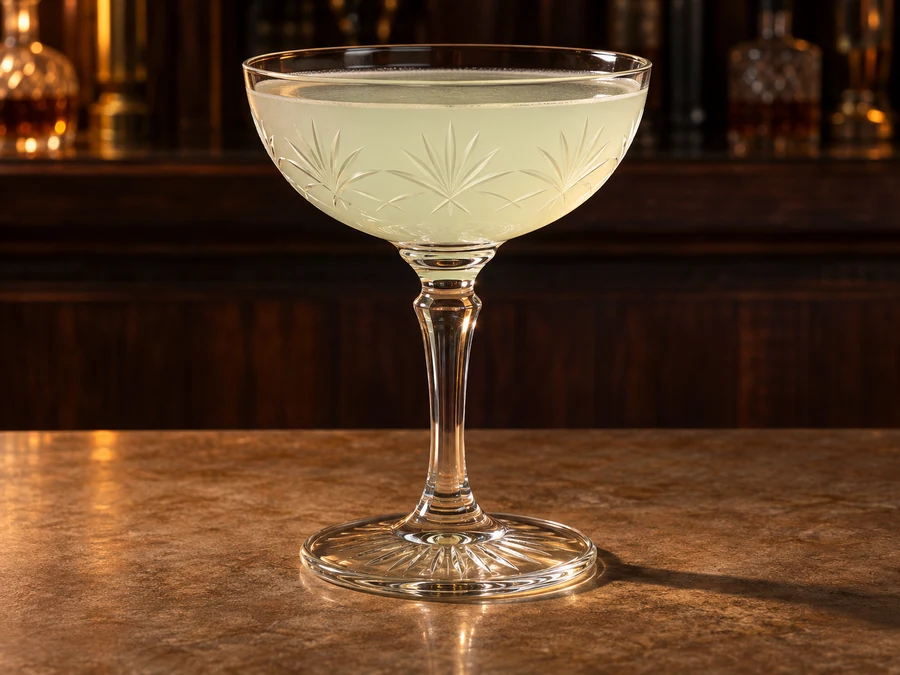
The IBA Daiquiri calls for 60 ml white rum, 20 ml fresh lime juice and two barspoons of superfine sugar. Dissolve the sugar before adding the ice, then shake and strain. Those two spoonfuls measure dry sugar and cannot be compared directly with millilitres of syrup. Undissolved grains will leave some sips sweeter than others.
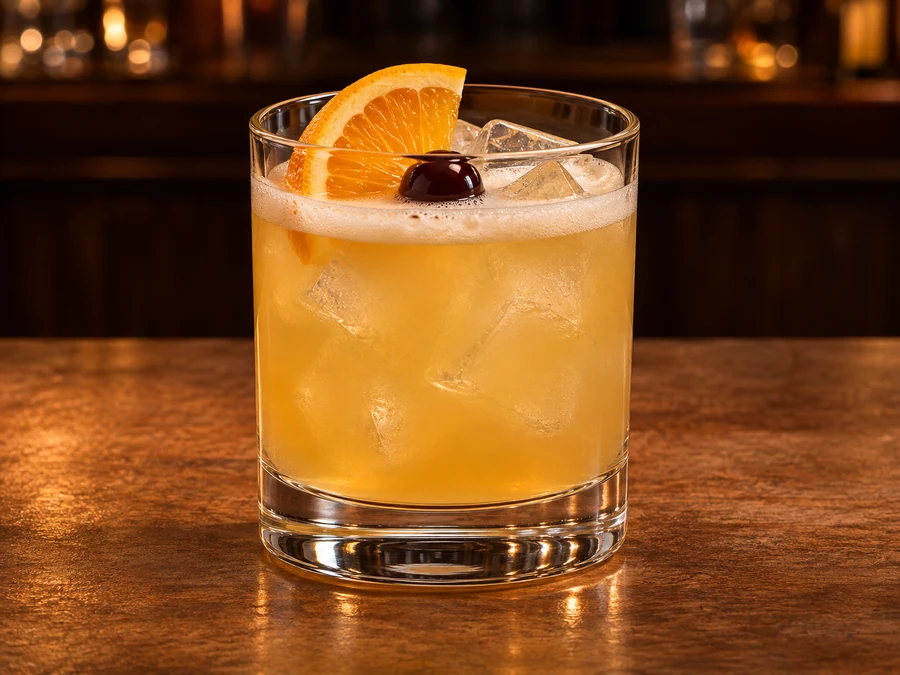
For the IBA Whiskey Sour measure 45 ml bourbon, 25 ml lemon juice and 20 ml sugar syrup. The sweetness of the syrup depends on how much sugar it contains. If the drink tastes different from the last one you liked, check the syrup first. Test any change to the ice separately.
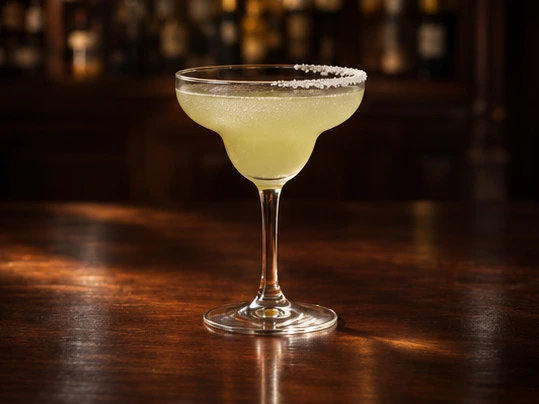
The IBA Margarita combines 50 ml tequila, 20 ml triple sec and 15 ml lime juice. The orange liqueur brings its own sweetness and aroma, so this recipe calls for no syrup. The Tommy’s Margarita takes a different approach, using 60 ml tequila, 30 ml lime juice and 30 ml agave nectar. The two drinks share a name and a base spirit, but they use different sweeteners and are served differently. Taste each on its own terms before borrowing a measure from the other.
These recipes are useful starting points for learning the techniques. Choose a drink you like the sound of and make a note of its original measures. After your first taste, you can adjust that particular drink to suit you.
How to repeat a good result
Write the recipe for the next time you make it. Record the spirit and its measure, the type and volume of citrus juice, the exact sweetener, the mixing method, the glass and the ice. “A little syrup” will be hard to reproduce. “15 ml syrup made with equal weights of sugar and water” gives you something you can repeat. If you use a shop-bought syrup, note the brand: the same measure of another syrup may taste sweeter.
Measure the juice after squeezing. Limes vary in size and flavour. For a series of tastings, use one batch of juice and keep the same sweetener throughout. If the recipe specifies dry sugar, follow its method for dissolving the sugar before you add the ice.
Use the same technique for each batch. Ice chills the drink and melts into it. If one batch was shaken with ice and the other mixed without it, you cannot single out the syrup as the reason they taste different. Chill the glass, use similar ice and taste straight after serving. Note what you taste first, what lingers and whether you want another sip. Comments such as “too sour” or “flat” are much more helpful alongside the measures that produced them.
When a drink tastes off
Too tart. Check that you included the sweetener, dissolved the sugar and used ice as the recipe directs. If everything is in place, use a little less juice or a little more sweetener in the next small batch. Change just one of them. For a drink of roughly 100 ml, a 5 ml adjustment is a reasonable starting point for comparison. Taste it after chilling.
Cloyingly sweet. Pouring more juice into the glass adds volume and changes the citrus aroma. Try using less syrup or nectar in the next batch while keeping everything else the same. If a liqueur provides the sweetness, reducing it will change the aroma too. Record that as a variation.
Flat, or sharply alcoholic. Check the temperature, time on ice and dilution first. A flat drink might need more acidity, or it may have been served too warm or diluted too far. A harsh alcoholic edge can mean it needed more chilling. Before reaching for the sugar, make a small fresh batch with one change and compare the two.
When making drinks for guests, ask how tart they like them and how much sweetness they expect. You can fine-tune an alcohol-free recipe the same way, starting with its own base. Simply replacing rum with water in a Daiquiri will give you a very different drink.
A three-glass tasting at home
This short tasting shows how you perceive changes in sweetness and acidity. It leaves out the spirit, ice and shaker so you can concentrate on the two tastes. Gather three identical glasses, a measuring syringe or jigger, water, one kind of citrus juice and one syrup. A cooled syrup made with equal weights of sugar and water works well. Use the same batch throughout.
- Label the glasses A, B and C. Pour 75 ml water, 10 ml juice and 15 ml syrup into A. For B, use 70 ml water, 10 ml of the same juice and 20 ml syrup. For C, use 70 ml water, 15 ml juice and 15 ml syrup. Each glass now contains 100 ml.
- Chill the glasses equally, stir with a clean spoon and take small sips in different orders. Write down what you notice. Which tastes most tart? Where is the citrus clearest? Which leaves the longest sweet finish? There is no right answer.
- Invite someone else to taste the samples without seeing the ingredients. Compare your descriptions. A difference of opinion is a result worth noting. Repeat the tasting another day with the same ingredients and compare your notes before adjusting a cocktail recipe.
Compared with A, B has 5 ml more syrup and 5 ml less water. In C, 5 ml juice replaces the same amount of water. Keeping the volume constant helps with the comparison, but the citrus aroma changes along with its acidity. The tasting shows which of these mixtures you prefer. To put it into practice, go back to the Daiquiri, Whiskey Sour or Margarita and record each small adjustment as you go.
Sources and limits
Measures and mixing methods come from the official IBA recipes. The observations about how sweet and sour tastes affect each other come from a consumer study using solutions mixed with water. Our editors devised the home tasting as a separate exercise.
- IBA: Daiquiri
- IBA: Whiskey Sour
- IBA: Margarita
- IBA: Tommy’s Margarita
- Junge et al., Foods (2020): how we perceive sweetness and sourness
Reviewed by the editors on 15 November 2026. The drink illustrations were made for Cocktail Atlas and are separate from the study samples.