
Santiago de Cuba · since the 19th century
What a Cuban rum master learns in the cellar
For a Cuban light rum master, a barrel is part of a drink’s biography. Cuba’s UNESCO nomination traces the knowledge passed from person to person long before a bartender opens a bottle.
A barrel has a history
Rum usually gets a single line on a cocktail menu. Cuba’s nomination of its light rum masters for UNESCO recognition works at a different scale: an apprentice needs to know the contents of a cellar and the history of each barrel. Two casks may sit side by side, but knowing one does not mean knowing the other. The work begins before the first measure is taken for a blend.
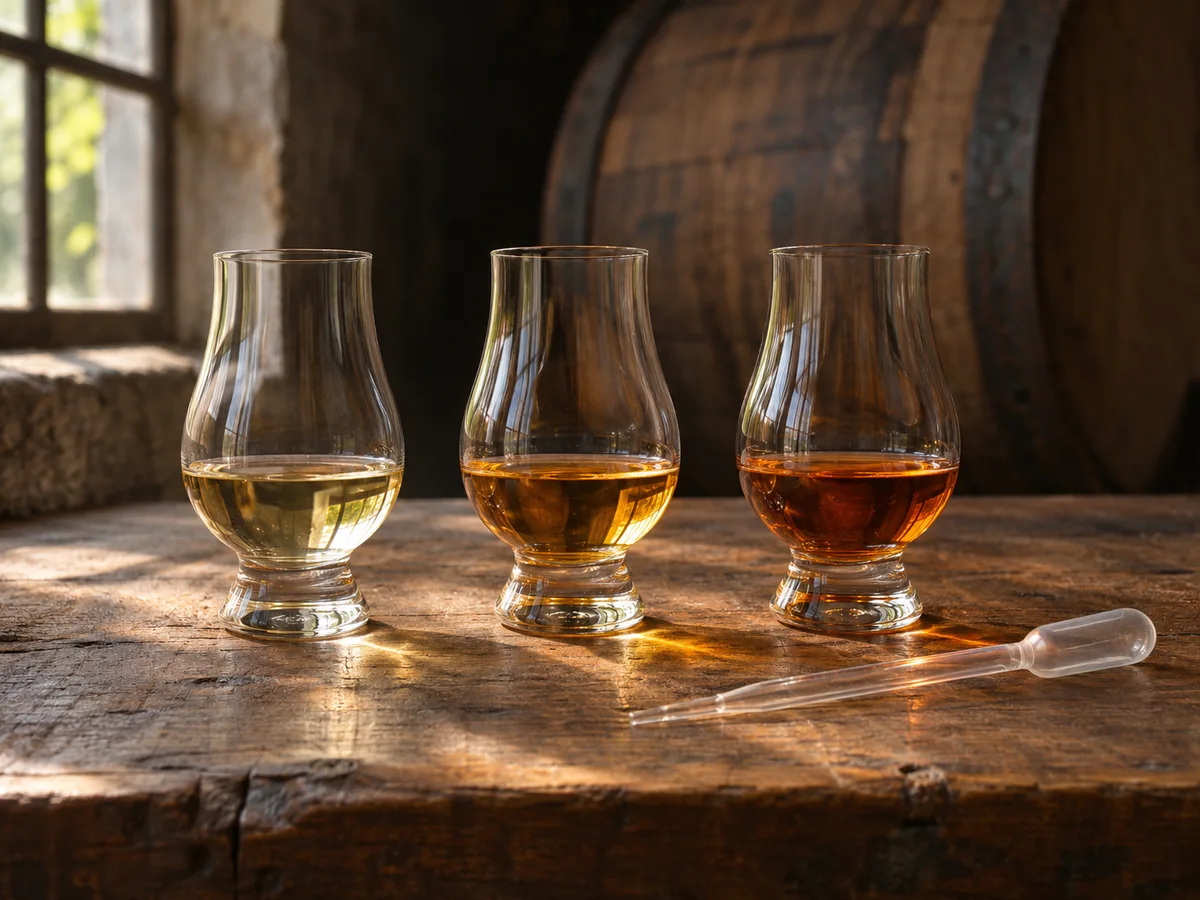
The nomination dates the Santiago de Cuba light rum tradition to 1862. That is a date for a particular style, not the beginning of rum in the Caribbean. Learning takes place in ageing cellars, blending rooms and laboratories. A blend is judged by its smell, appearance and texture as well as its taste. A written set of proportions can preserve only part of that work.
What UNESCO recognised
The 2022 entry on the Representative List of the Intangible Cultural Heritage of Humanity recognises the masters’ knowledge. There is no winning bottle or approved cocktail in the entry. It describes a community with a lifetime of learning ahead of its members and shared working principles across brands. A history of the Daiquiri has room, then, for someone who neither squeezed a lime nor picked up a shaker.
At the bar, start with the Daiquiri recipe. Lime supplies tartness and sugar softens it; neither accounts for the aroma of the rum itself. To compare two versions, keep lime and sugar constant and make equally small servings. Write down a difference you can smell. The colour in a glass is no basis for guessing the age of what was in a barrel.