
Prince of Wales
IngredientsWhat it tastes like
Brandy and Madeira give grape depth with gentle nutty notes. Curaçao adds orange sweetness, Angostura contributes spice, and dry Champagne lightens the finish.
Strength: moderate 3 out of 5Based on one serving

Ingredients 1 serving
Recipe note
Madeira and brandy form a grape-based foundation, lifted by Champagne and orange. Chill the still ingredients first, then add the sparkling wine in the serving glass.
What to buy Madeira is a fortified wine with nutty, caramel notes. Bual or Boal is medium-sweet; Verdelho is medium-dry. Match the style specified in the formula.
Substitutions Use the same amount of another Madeira of similar sweetness. A drier one tastes lighter and sharper, while a sweeter one gives a rounder drink.
Sources
hennessy.comWhat to buy Choose dry grape brandy without added fruit flavour. Oak ageing gives wood and vanilla notes.
Substitutions For a home version, use an equal measure of another aged grape brandy of similar strength. A younger bottle gives more grape aroma and less oak vanilla.
Sources
iba-world.comWhat to buy Choose orange curaçao, a sweet orange-peel liqueur. The regular clear or amber version preserves the intended colour.
Substitutions Use 5 ml of triple sec. A neutral-spirit version gives a cleaner citrus aroma with less spice.
Sources
iba-world.comWhat to buy Choose classic Angostura Aromatic Bitters, a concentrated blend of aromatic spices. When the amount is given in dashes, one dash is one short, firm flick of the dasher bottle.
Substitutions With another aromatic bitters brand, work up to the listed measure as dasher tops vary. Orange bitters would replace the warm spice with citrus peel.
Sources
lairdandcompany.comWhat to buy For mixing or chilling, add firm cubes just before stirring or shaking. Drain away any pooled meltwater.
Substitutions Use the same amount of bagged drinking ice. Used mixing ice melts faster and adds unwanted water to the next drink.
Sources
diffordsguide.comWhat to buy Choose Champagne from the Champagne region. For a dry serve, choose brut and chill the bottle before opening to preserve fizz.
Substitutions For a dry version use the same amount of brut Cava or Crémant to keep the bubbles and dryness. Where the recipe gives a visual top-up cue, follow that cue. Demi-sec adds sweetness.
Sources
iba-world.comWhat to buy Choose a juicy orange with firm, intact peel. Wash, dry and cut across into wheels or lengthwise into wedges as called for.
Substitutions Use the same amount of blood orange. Squeezing it or leaving the flesh in the drink will tint a pale cocktail.
Sources
iba-world.comWhat's dash? It's a small portion of liquid from a dispenser bottle. Turn it over the glass and take one short stroke down. Two dashes, two strokes. The volume depends on the dispenser.
Garnish One orange slice
How to make it
 Step 1
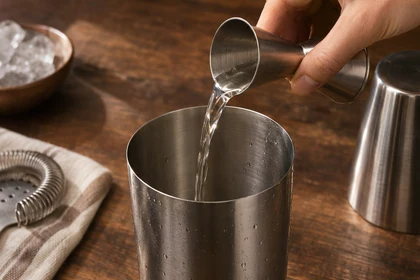
Combine the still ingredients
Medium-dry Verdelho Madeira — 30 ml; Brandy — 30 ml; Orange curaçao liqueur — 5 ml; Angostura bitters — 1 dash.
Chill the wine glass. Measure 30 ml Verdelho Madeira,30 ml brandy,5 ml curaçao and 1 dash Angostura into the shaker.
Chill the empty glass in the fridge. For a quick chill, fill it with ice and cold water, then empty it completely just before pouring. A shaker is a mixing vessel with a tight lid. For a cold, still mixture, a food-safe mixing bottle with a secure screw cap also works.
Report a mistake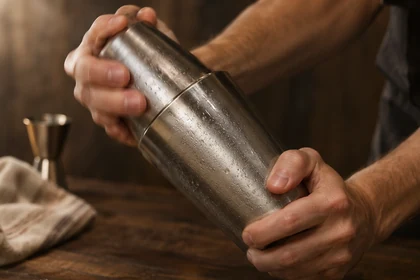 Step 2
Chill in the shaker
Ice cubes for shaking — for shaking.
Add ice cubes and shake for 10–12 seconds until cold. Keep the Champagne separate.
Brace the lid with one hand and the base with the other. Shake back and forth in short, brisk strokes so the ice travels through the liquid. Bring the shaker upright before opening.
Report a mistake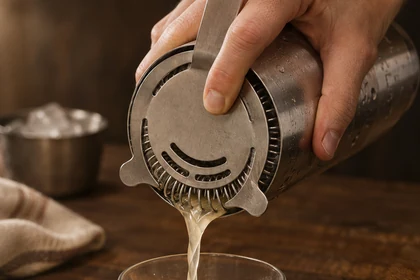 Step 3
Strain into the wine glass
Strain the base into the chilled wine glass through a bar strainer, leaving the ice behind.
Hold the bar strainer firmly at the lip with a finger and tilt the vessel gradually. At home, a small kitchen sieve balanced over the glass will also catch the pieces of ice.
Report a mistake- Step 4
Add Champagne
Chilled brut Champagne — 90 ml.
Slowly pour in 90 ml chilled brut Champagne. Do not shake again.
Open the bottle just before topping up. Bring the neck close to the inside wall of the glass. If foam rises, pause to let it settle, then resume more slowly.
Report a mistake 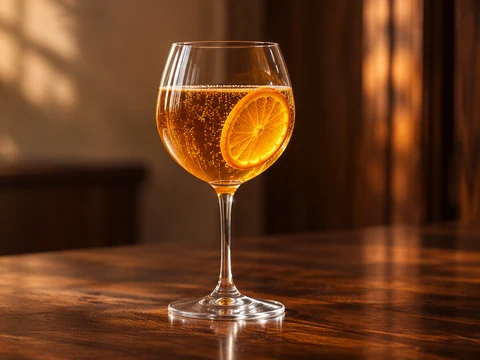 Step 5
Add orange
Orange — 1 slice.
Cut one thin orange slice and place it in the glass or on the rim. Serve while the bubbles are lively.
To perch a wedge on the rim, make a short slit across its flesh. It should stay in place when you let go.
Report a mistake
Why this pairing works
A thin toast with roast turkey suits Madeira’s grape and nutty notes. Mild meat leaves room for the Champagne aroma and needs no sweet sauce.
The exceptions selected are for the drink. Check the composition of the dish separately.
Glass and serving
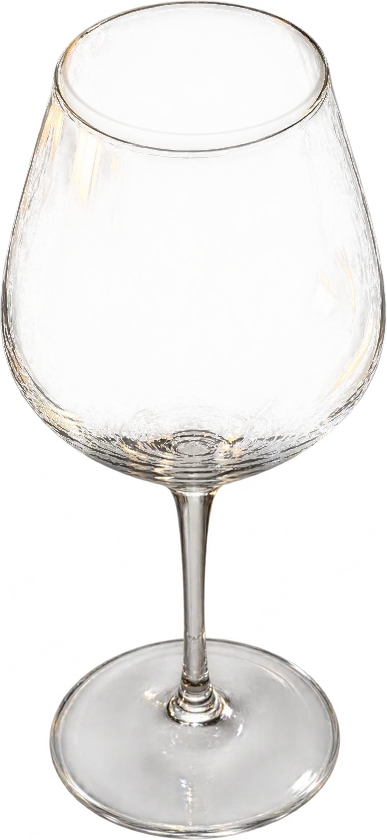
Chilled 300 ml wine glass
A bowl on a leg gives place to the drink and allows you not to hold on to its walls.
Another glass you can use A glass of such capacity that the portion does not reach the very edge.
Tools and ice
Serving glass: Chilled 300 ml wine glass.
One orange slice
Ice: Ice cubes for shaking only; no ice in the wine glass.
Making your first cocktail?
A cocktail shaker lets you shake the drink with ice. Seal it and keep a hand on each half as you shake.
To strain, pour through a bar strainer. To double-strain, hold a fine sieve over the glass as well.
Ice cubes for shaking only; no ice in the wine glass.
How to Replace Ingredients
The measures in the hints are given for one portion.
- Medium-dry Verdelho Madeira
The recipe calls for 30 ml. Choose the ingredient listed.
- Brandy
Use 30 ml brandy; Cognac is suitable.
- Orange curaçao liqueur
The recipe calls for 5 ml. Choose the ingredient listed.
- Angostura bitters
Recipe measure: 1 dash. Aromatic bitters can be used as a substitute; the spice profile will change.
- Ice cubes for shaking
Use this ingredient for shaking.
- Chilled brut Champagne
The recipe calls for 90 ml. Choose the ingredient listed.
- Orange
The recipe calls for 1 slice. Choose the ingredient listed.
The history of the cocktail
Frank Meier published this Prince of Wales in his 1936 Artistry of Mixing Drinks.
Read this story in the journalSave recipe
Recipe source
Frank Meier, The Artistry of Mixing Drinks (1936)
Chill the wine glass. Measure 30 ml Verdelho Madeira,30 ml brandy,5 ml curaçao and 1 dash Angostura into the shaker. Add ice cubes and shake for 10–12 seconds until cold. Keep the Champagne separate. Strain the base into the chilled wine glass through a bar strainer, leaving the ice behind. Slowly pour in 90 ml chilled brut Champagne. Do not shake again. Cut one thin orange slice and place it in the glass or on the rim. Serve while the bubbles are lively.
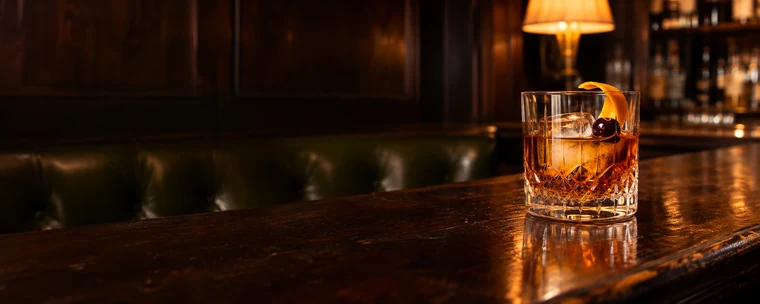
Illustration of the presentation created for the "Cocktail Atlas".
What to try next
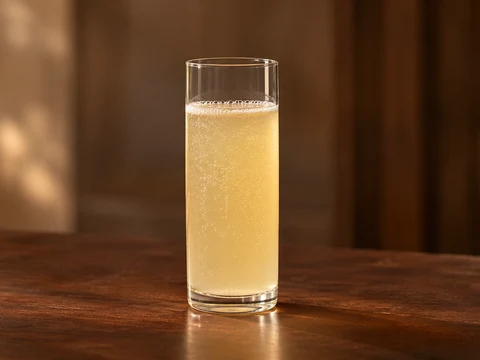 Brandy DaisyLemon · grape brandy · orangeStrength: Light 2 out of 5Both recipes use brandy and Orange curaçao liqueur.
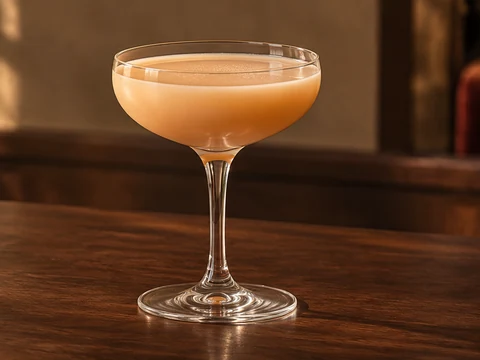 Bosom CaresserMadeira · orange · soft textureStrength: Moderate 3 out of 5Both recipes use Orange curaçao liqueur.
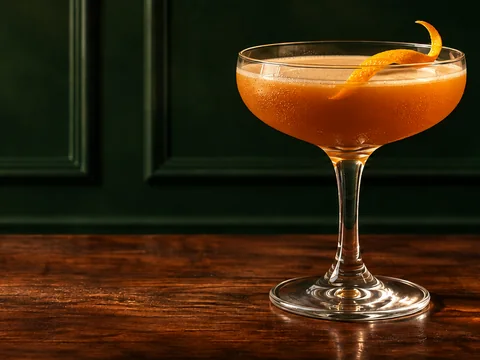 East India CocktailBrandy · Pineapple · SpiceStrength: Strong 4 out of 5Both recipes use brandy and Angostura bitters.
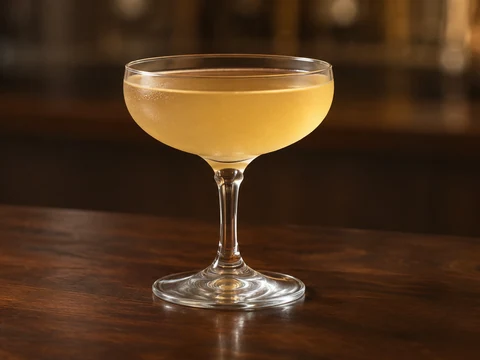 DeauvilleApple · orange · lemonStrength: Moderate 3 out of 5Both recipes use brandy.
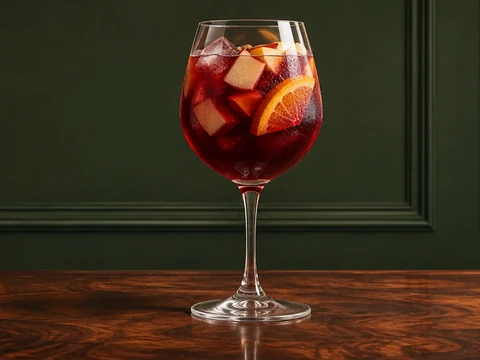 SangriaWine · Apple · OrangeStrength: Moderate 3 out of 5Both recipes use brandy and Orange.
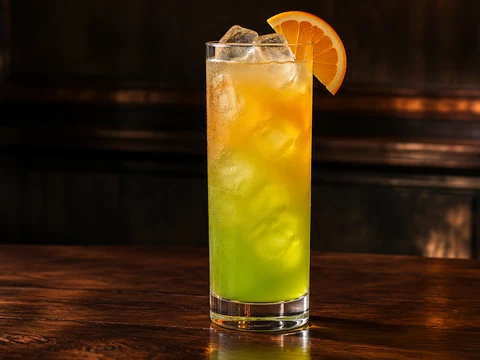 Melon BallMelon · orangeStrength: Light 2 out of 5Both recipes use Orange.
Recipe text and instructions · Cocktail Atlas About the editors