

Ragi Malt
IngredientsWhat it tastes like
Earthy cereal flavour meets the deep sweetness of jaggery and the fresh spice aroma of cardamom. The texture is smooth and gently thickened; its richness comes from grain, not alcoholic strength.
Alcohol-free

Ingredients 1 serving
Recipe note
A warm South Indian drink made with ragi, or finger millet flour. A cold slurry is cooked and sweetened with jaggery; this version needs neither milk nor nuts.
What to buy Look for food-grade ragi or finger millet flour in an Indian grocery. Cook the mixture until thick and measure the warm finished drink.
Substitutions Use the same weight of another finger millet flour. Oat or wheat flour changes both the grain flavour and consistency.
Sources
vegrecipesofindia.comGarnish None
Prepare one batch in advance
Finished warm ragi drink
For the batch, whisk 4 level measuring tbsp food-grade ragi flour with 120 ml cold water until there are no dry lumps. Bring the remaining 480 ml water to a boil in a saucepan. Lower the heat, stir the flour slurry again and pour it in a thin stream while whisking. Simmer gently for 10–12 minutes, sweeping the whisk across the bottom regularly. The mixture will thicken gradually; the flour must be fully cooked. Add 6 level measuring tbsp clean powdered jaggery and ¼ tsp ground cardamom. Stir until the sugar dissolves completely. This version adds neither nuts nor milk. Measure the actual finished yield after cooking; allocate 250 ml per serving. Starting water is not the finished yield, and no fixed number of servings is promised.
Ingredients for one batch
- Food-grade ragi flour (finger millet) · 4 tbsp
- Water · 600 ml
- Clean powdered jaggery · 6 tbsp
- Ground cardamom · 0.25 tsp
How to make it
 Step 1
Make a cold slurry
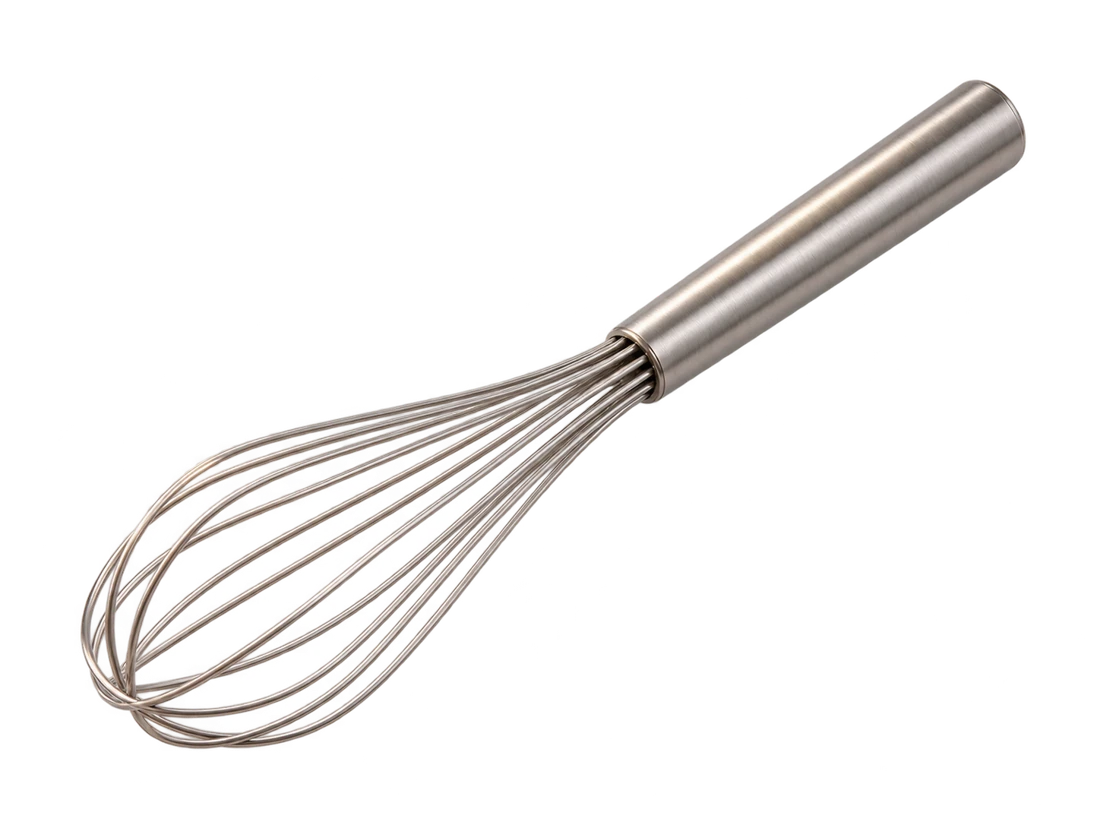
For the batch, whisk 4 level measuring tbsp food-grade ragi flour with 120 ml cold water until there are no dry lumps.
Press any dry lumps against the bottom with the whisk while the liquid is cool. Dip a spoon to check for a smooth, fluid mixture without dry grains. Start heating only after it is smooth.
Report a mistake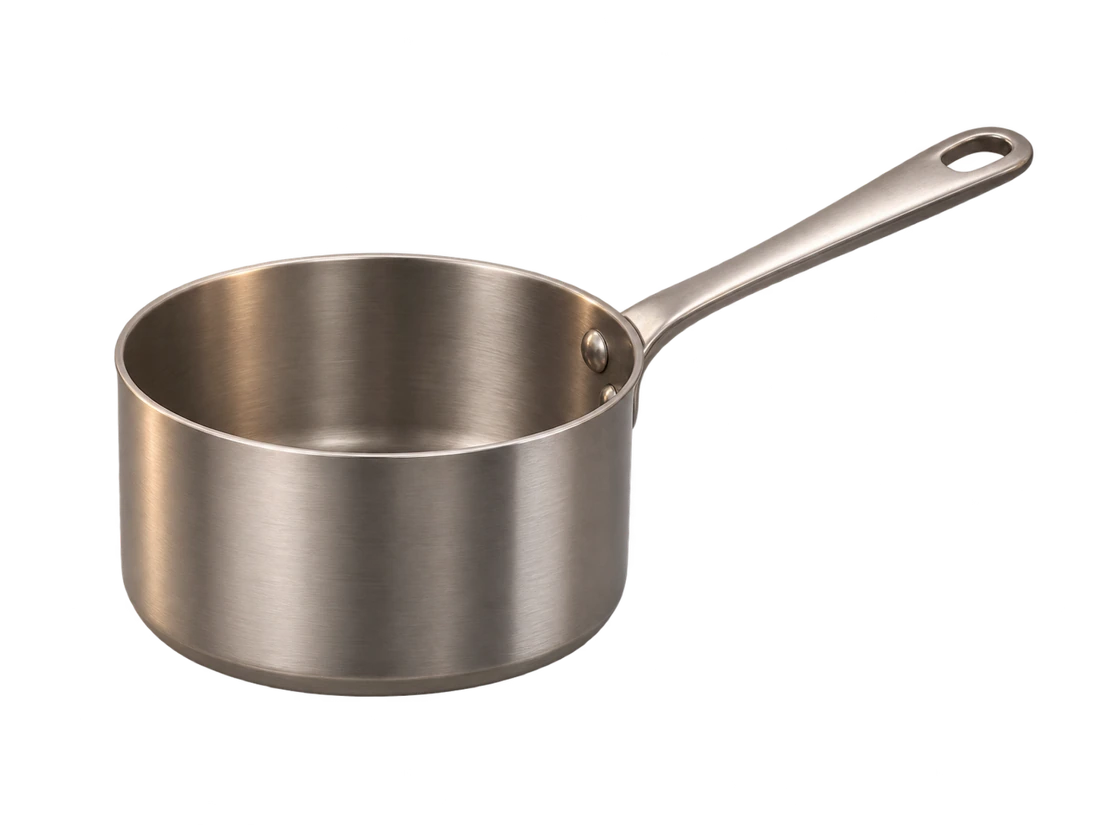 Step 2
Add to boiling water
Bring the remaining 480 ml water to a boil in a saucepan. Lower the heat, stir the flour slurry again and pour it in a thin stream while whisking.
Stir up any powder that settled on the bottom. Pour in a thin stream and keep whisking where it lands to prevent lumps forming.
Report a mistake- Step 3
Cook the flour
Simmer gently for 10–12 minutes, sweeping the whisk across the bottom regularly. The mixture will thicken gradually; the flour must be fully cooked.
Turn down the heat as bubbles start rising. At a gentle simmer they only break the surface occasionally and the liquid stays well below the rim.
Report a mistake - Step 4
Add jaggery and cardamom
Add 6 level measuring tbsp clean powdered jaggery and ¼ tsp ground cardamom. Stir until the sugar dissolves completely. This version adds neither nuts nor milk.
Steady the vessel with one hand. Sweep the spoon along the wall and across the bottom so liquid at the base circulates with the rest.
Report a mistake 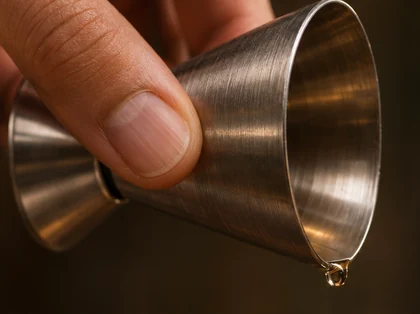 Step 5
Measure one serving
Finished warm ragi drink — 250 ml.
Measure the actual finished yield. Pour 250 ml into a heatproof mug and let it cool slightly; ragi thickens further as it cools.
Set a graduated measure on a level surface and read the millilitres at eye level. Empty it after each measurement to keep track of what you have already added.
Report a mistake
Why this pairing works
Serve with a small unsweetened rice cake; a light crunch suits the smooth, gently thickened drink.
The exceptions selected are for the drink. Check the composition of the dish separately.
Glass and serving
350 ml heatproof mug
350 ml heatproof mug is the selected vessel for this serving.
Another glass you can use Leave room below the rim; the serving is smaller than the vessel capacity.

Tools and ice
Serving glass: 350 ml heatproof mug.
None
Ice: None; serve warm.
Making your first cocktail?
First, measure the ingredients in separate containers, so you can add them in the order they are in the steps.
None; serve warm.
How to Replace Ingredients
The measures in the hints are given for one portion.
- Finished warm ragi drink
The recipe calls for 250 ml. Choose the ingredient listed.
The history of the cocktail
Dassana Amit describes sweet ragi malt as a family drink made from finger-millet flour.
Read this story in the journalSave recipe
Recipe source
Dassana Amit / Dassana’s Veg Recipes
For the batch, whisk 4 level measuring tbsp food-grade ragi flour with 120 ml cold water until there are no dry lumps. Bring the remaining 480 ml water to a boil in a saucepan. Lower the heat, stir the flour slurry again and pour it in a thin stream while whisking. Simmer gently for 10–12 minutes, sweeping the whisk across the bottom regularly. The mixture will thicken gradually; the flour must be fully cooked. Add 6 level measuring tbsp clean powdered jaggery and ¼ tsp ground cardamom. Stir until the sugar dissolves completely. This version adds neither nuts nor milk. Measure the actual finished yield. Pour 250 ml into a heatproof mug and let it cool slightly; ragi thickens further as it cools.
Illustration of the presentation created for the "Cocktail Atlas".
What to try next
 Café de OllaDark coffee · cane sugar · cinnamonAlcohol-freeOn the palate, both drinks share brown sugar.
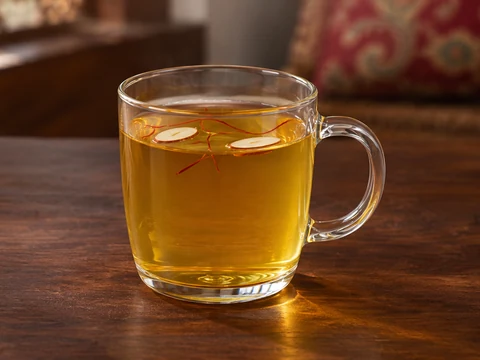 Kashmiri KahwaCardamom · green tea · saffronAlcohol-freeOn the palate, both drinks share cardamom.
 PanakamJaggery · lemon · cardamomAlcohol-freeOn the palate, both drinks share cardamom.
 Sago at GulamanBrown sugar · banana · chewy sagoAlcohol-freeOn the palate, both drinks share brown sugar.
 Peruvian apple and pear quinoa drinkApple · coconut · cardamomAlcohol-freeOn the palate, both drinks share cardamom.
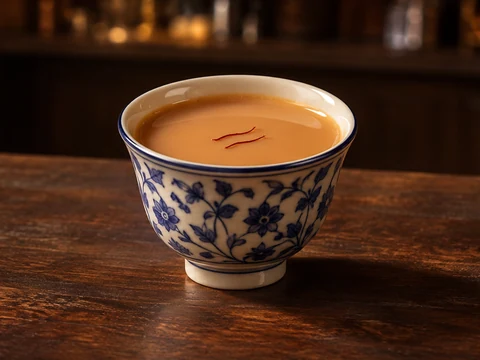 Karak ChaiBlack tea · cardamom · milkAlcohol-freeOn the palate, both drinks share cardamom.
Recipe text and instructions · Cocktail Atlas About the editors