
Duplex Cocktail
IngredientsWhat it tastes like
The two vermouths give a wine-led herbal centre. Acid phosphate adds a tang without a lemon aroma, and orange bitters carry the finish.
Strength: moderate 3 out of 5Based on one serving

Ingredients 1 serving
Recipe note
Equal parts dry and sweet vermouth are joined by half as much Old Tom. Bottled cocktail acid phosphate supplies the tang, with orange bitters for the aroma.
What to buy Old Tom is a traditional gin style, often rounder or a little sweeter than London Dry. Look for Old Tom on the label.
Substitutions Use 15 ml of London Dry for a drier, more juniper-led version. Old Toms vary in sweetness, so do not add sugar automatically.
Sources
iba-world.comWhat to buy Choose sweet red vermouth labelled rosso or rouge for wine, herbs and sweetness together. Refrigerate after opening.
Substitutions Use the same measure of another sweet red vermouth such as Cinzano Rosso or Martini Rosso. A more bitter bottling will leave a stronger herbal finish.
What to buy Choose pale vermouth labelled dry or extra dry, an aromatised wine with little sweetness. Blanc and bianco are usually much sweeter. Refrigerate after opening.
Substitutions Use 30 ml of another dry vermouth such as Dolin Dry. Different brands emphasise herbs or citrus.
What to buy Choose bottled culinary Acid Phosphate specifically made for drinks. It provides acidity without lemon flavour.
Substitutions There is no close household equivalent. Do not use straight acid. Lemon juice adds different flavour and acidity and has no direct volume conversion.
What to buy Choose orange bitters, a concentrate flavoured with bitter orange peel. Measure a dash with one short, firm flick of the dasher bottle.
Substitutions Use another orange bitters, such as Angostura Orange, in the listed number of dashes. Aromatic bitters shifts the flavour from orange peel to clove-like spice.
Sources
iba-world.comWhat to buy Crushed ice means small irregular chips without a puddle of meltwater. Keep it frozen until needed.
Substitutions Wrap regular cubes in a clean sturdy towel and crack with a rolling pin. Measure the chips after crushing, using the unit in the recipe.
Sources
whattocooktoday.comGarnish No garnish.
How to make it
 Step 1
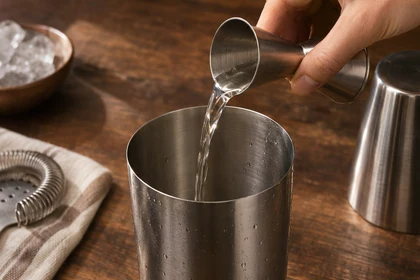
Measure the two vermouths
Old Tom gin — 15 ml; Sweet red vermouth — 30 ml; Dry white vermouth — 30 ml; Bottled cocktail acid phosphate — 3 ml; Orange bitters — 4 ml.
Pour equal measures of dry and sweet vermouth into the shaker, then add gin. Use a measured dropper for bottled cocktail acid phosphate and orange bitters.
Set a graduated measure on a level surface and read the millilitres at eye level. Empty it after each measurement to keep track of what you have already added. A shaker is a mixing vessel with a tight lid. For a cold, still mixture, a food-safe mixing bottle with a secure screw cap also works.
Report a mistake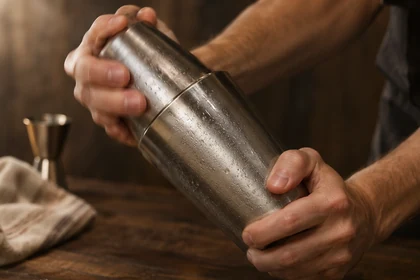 Step 2
Shake briefly
Finely cracked ice for shaking — for shaking.
Add finely cracked ice and shake just until cold; fine ice dilutes vermouth quickly.
Grip the sealed container at both lid and base. Use short back-and-forth strokes, then stand it upright before opening.
Report a mistake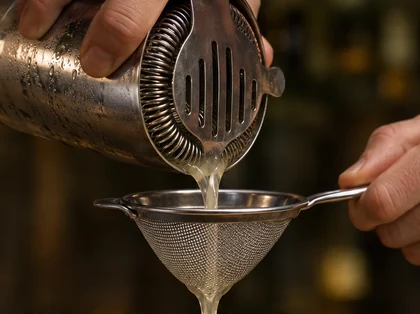 Step 3
Strain off the ice
Use a strainer and fine sieve to keep ice chips out of the chilled stemmed glass.
The first strainer holds the cubes at the lip of the shaker or mixing glass. Hold a second, fine kitchen sieve over the serving glass to catch small particles in the stream.
Report a mistake
Why this pairing works
The tart wine notes sharpen toasted almond flavours while salt softens the bitters.
The exceptions selected are for the drink. Check the composition of the dish separately.
Glass and serving
Chilled 120 ml cocktail glass
Serve the chilled drink without ice. The wide bowl shows the surface clearly, and you can hold the glass by its stem.
The straight sides flare out from the stem to form a wide, conical bowl.
Another glass you can use A small chilled coupe or wine glass.
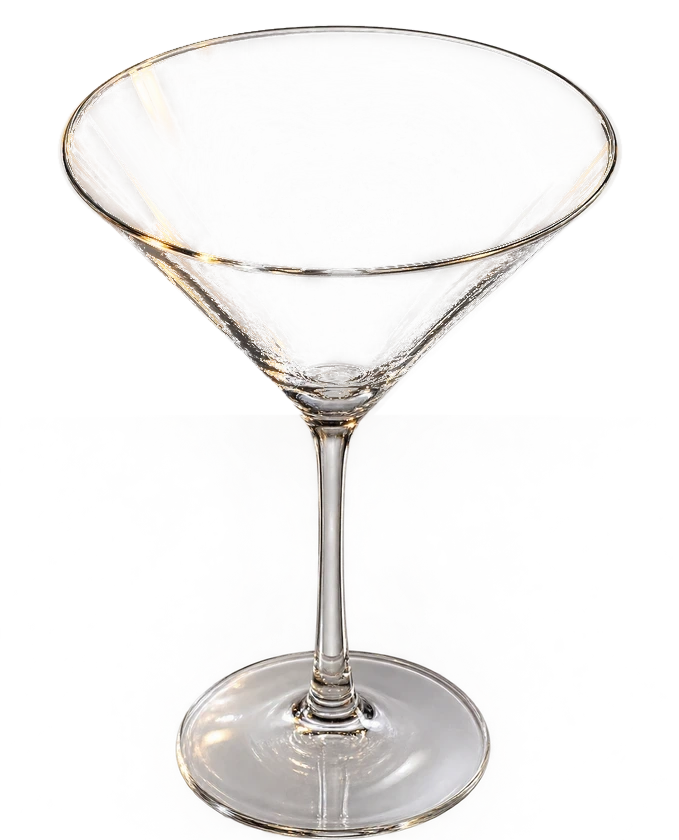
Tools and ice
Serving glass: Chilled 120 ml cocktail glass.
No garnish.
Ice: Mixing ice is strained out before serving.
Making your first cocktail?
A cocktail shaker lets you shake the drink with ice. Seal it and keep a hand on each half as you shake.
Mixing ice is strained out before serving.
How to Replace Ingredients
The measures in the hints are given for one portion.
- Old Tom gin
Measure 15 ml of the specified gin. For a drier alternative, use 15 ml of London dry gin.
- Sweet red vermouth
Recipe: 30ml. Look on the rosso label. Martini Rosso, Cinzano Rosso and Carpano Antica Formula will do. Their spice and bitterness vary. Bianco is usually sweeter and lighter, and dry vermouth will change the balance. Editorial replacement: Sweet white vermouth, 30ml. Sweetness will remain, the color will become lighter and the spice softer. How vermouth styles differ
- Dry white vermouth
The recipe calls for 30 ml. Choose the ingredient listed.
- Bottled cocktail acid phosphate
The recipe calls for 3 ml. Choose the ingredient listed.
- Orange bitters
The recipe calls for 4 ml. Choose the ingredient listed.
- Finely cracked ice for shaking
Use this ingredient for shaking.
The history of the cocktail
In Duplex, Bullock uses less gin than either of the two vermouths.
Read this story in the journalSave recipe
Recipe source
Tom Bullock, The Ideal Bartender (1917) · Duplex Cocktail
Pour equal measures of dry and sweet vermouth into the shaker, then add gin. Use a measured dropper for bottled cocktail acid phosphate and orange bitters. Add finely cracked ice and shake just until cold; fine ice dilutes vermouth quickly. Use a strainer and fine sieve to keep ice chips out of the chilled stemmed glass.
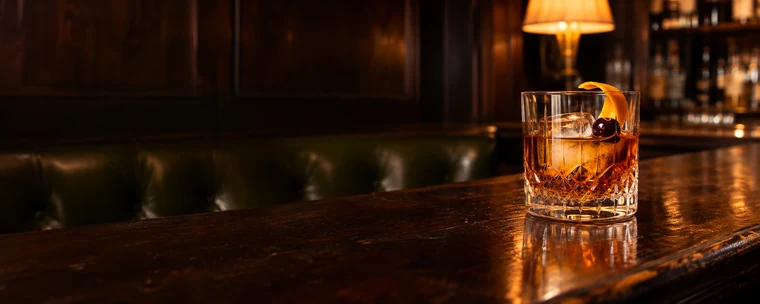
Illustration of the presentation created for the "Cocktail Atlas".
What to try next
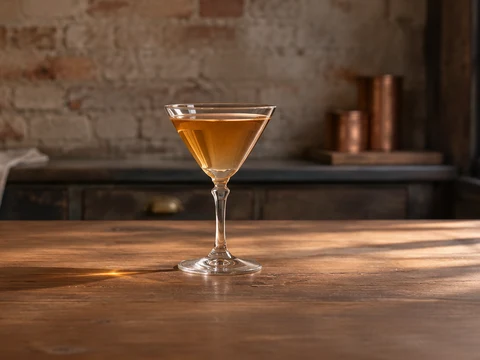 Horse Thief CocktailJuniper · anise · vermouthStrength: Strong 4 out of 5Both recipes use Old Tom gin and Sweet red vermouth.
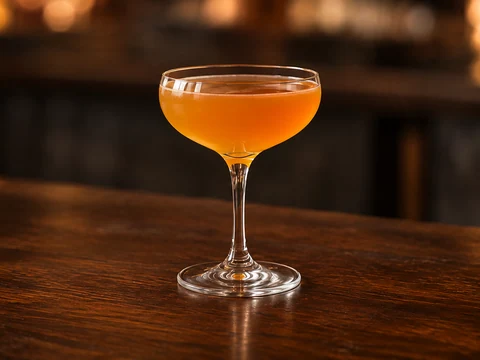 Satan’s Whiskers (Straight)Orange · herbs · gentle bitternessStrength: Moderate 3 out of 5Both recipes use Sweet red vermouth and Dry white vermouth.
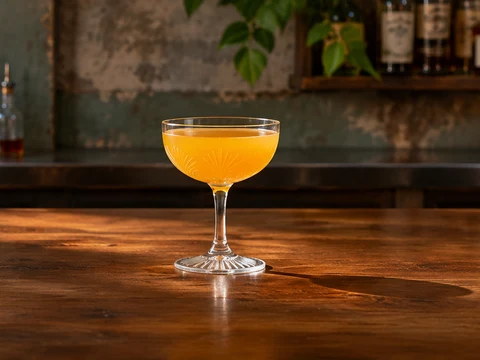 Baldy CocktailOrange · juniperStrength: Moderate 3 out of 5Both recipes use Old Tom gin and Orange bitters.
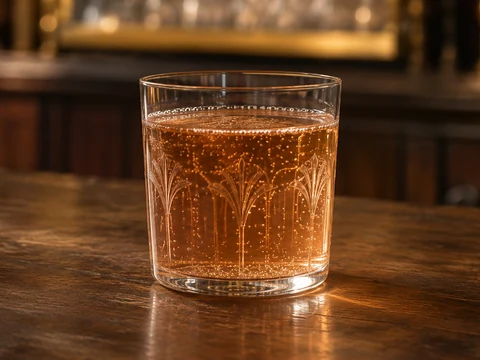 AddingtonDry herbs · grape · orange peelStrength: Very light 1 out of 5Both recipes use Sweet red vermouth and Dry white vermouth.
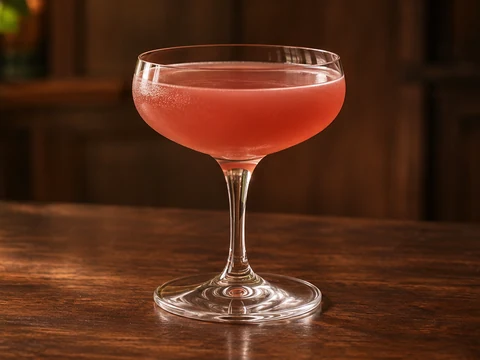 BloodhoundStrawberry · juniper · herbsStrength: Moderate 3 out of 5Both recipes use Sweet red vermouth and Dry white vermouth.
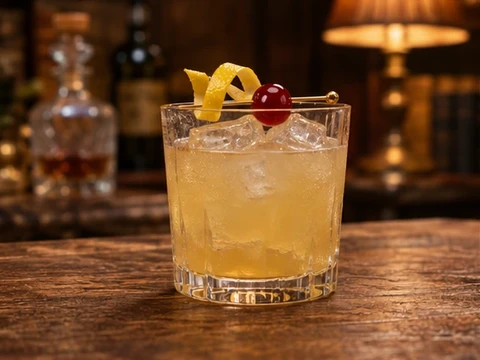 CasinoMaraschino · orange bittersStrength: Strong 4 out of 5Both recipes use Old Tom gin and Orange bitters.
Recipe text and instructions · Cocktail Atlas About the editors