
Dry Martini
When there was more vermouth
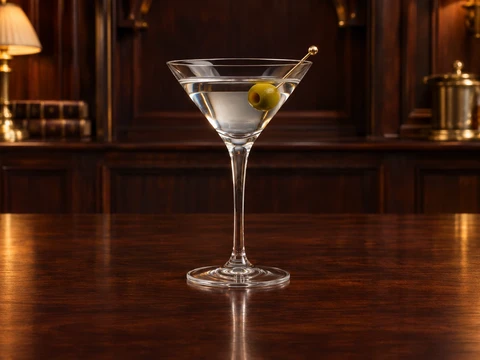
On a page in London's The Savoy Cocktail Book of 1930, Dry Martini doesn't look like the common image of a glass with an almost invisible vermouth drop: Harry Craddock measured gin and French vermouth equally, added orange bitters, shaken with ice and filtered. The book captures a specific bar version of his time, rather than the perpetual standard of "dryness."
The current IBA card has a different proportion: 60 ml of gin and 10 ml of dry vermouth. The association suggests mixing them with ice, straining them into a chilled glass, and choosing the flavor of lemon peel or olive at the guest's request, differing not only in the amount of vermouth, but also in the method of cooling.
Two dated formulas help to ask a useful question in the bar: what kind of Dry Martini do you want? The word "dry" in the title does not change the fact that balance and pitch changed. If you repeat the historical version, you should name its year and source, and for the modern one, you should follow the chosen card without mixing the instructions of different eras.
Open the recipe for Dry Martini